IMPORTANT NOTICE: Your Input Needed for Special Global Warming Project

Over the years people have asked for explanations about various aspects of global warming or climate change (ie what’s the difference?). I’ve probably written close to 100 stories on climate change but it may be time to put the whole subject together in a format that is concise, accurate and easy to understand. So I’m considering putting together a very brief eBook as an PDF electronic download and offering it on the highly-regarded self-publishing site lulu.com or from me directly.

Before investing the time and effort to put this together – please remember my livelihood is independent environmental journalism – I would like to have at least 25 people send me an email (writersteve AT gmail . com) or a comment to let me know they support this idea and would consider purchasing it. (only $5.00 — see ad notice below)

Please pass this link on to anyone who might be interested — or you think should be:].

Cheers and thanks for your support — Stephen


——–Draft eBook Notice——–


Really Brief BUT Authoritative Guide to Global Warming
Global warming, the latest climate science (including the Intergovernmental Panel on Climate Change Feb 2 report) and how it is changing our world explained in less than 20 factual and easily understood pages by experienced science writer Stephen Leahy.


Includes loads of links to high-quality, authoritative websites for more detailed information and further exploration of the most important issue of the 21st century.

$5.00 as high-quality eBook as PDF electronic download. (Note: To be published only if enough people say they want it.)

Global Warming The Slow-Motion Train Wreck

Paraphrase of the Day:

The Intergovernmental Panel on Climate Change (IPCC) new report represents a major leap forward in the understanding of climate science. For me climate change is a slow-motion train wreck. — David Fahey, National Oceanic and Atmospheric Administration’s Earth System Research Laboratory.

Story now available here:  Climate Panel Report Called Too Conservative

India’s Right to Produce Low-Cost, Life Saving Drugs Challenged by Big Pharma

Patients Before Patents, Groups Urge

By Stephen Leahy

Jan 29 (IPS) – A quarter of a million people from over 150 countries don’t think a multinational drug company should seek to overturn a provision of India’s patent law that permits the manufacture of low-cost life-saving drugs for the world’s poor.

Swiss pharmaceutical giant Novartis AG went to India’s High Court Monday to challenge India’s new patent laws despite months of pressure from health organisations working in the developing world.
Continue reading

Iraq’s Birds and Marshes Return Amid Bullets, Bombs and Violence

mesopotamian_marshes-nature_-iraq-sml Amid Sectarian Chaos, Bird Lovers Persevere


By Stephen Leahy

Jan 25 (IPS) – Can Iraqi dreams for a better future be glimpsed in the publication Thursday of the first-ever field guide to the country’s 387 bird species?

“For Iraq, a nation that has lost so much of its wildlife in the last 20 years, this book opens the door for the growing conservation movement in this country,” said Ali Douabul of Nature Iraq, an Iraqi NGO focused on the protection and restoration of the environment.

Published in Arabic, the “Field Guide to the Birds of Iraq” is a fully illustrated guide based on three years of surveys by mainly Iraqi and Jordanian birders and biologists.

Why a bird book for Iraq?
Continue reading

Massive Ecological Impacts Coming with New ‘Hothouse’ Climate

Endless Summer Not As Nice As It Sounds

Copyright 2004 Renate Leahy

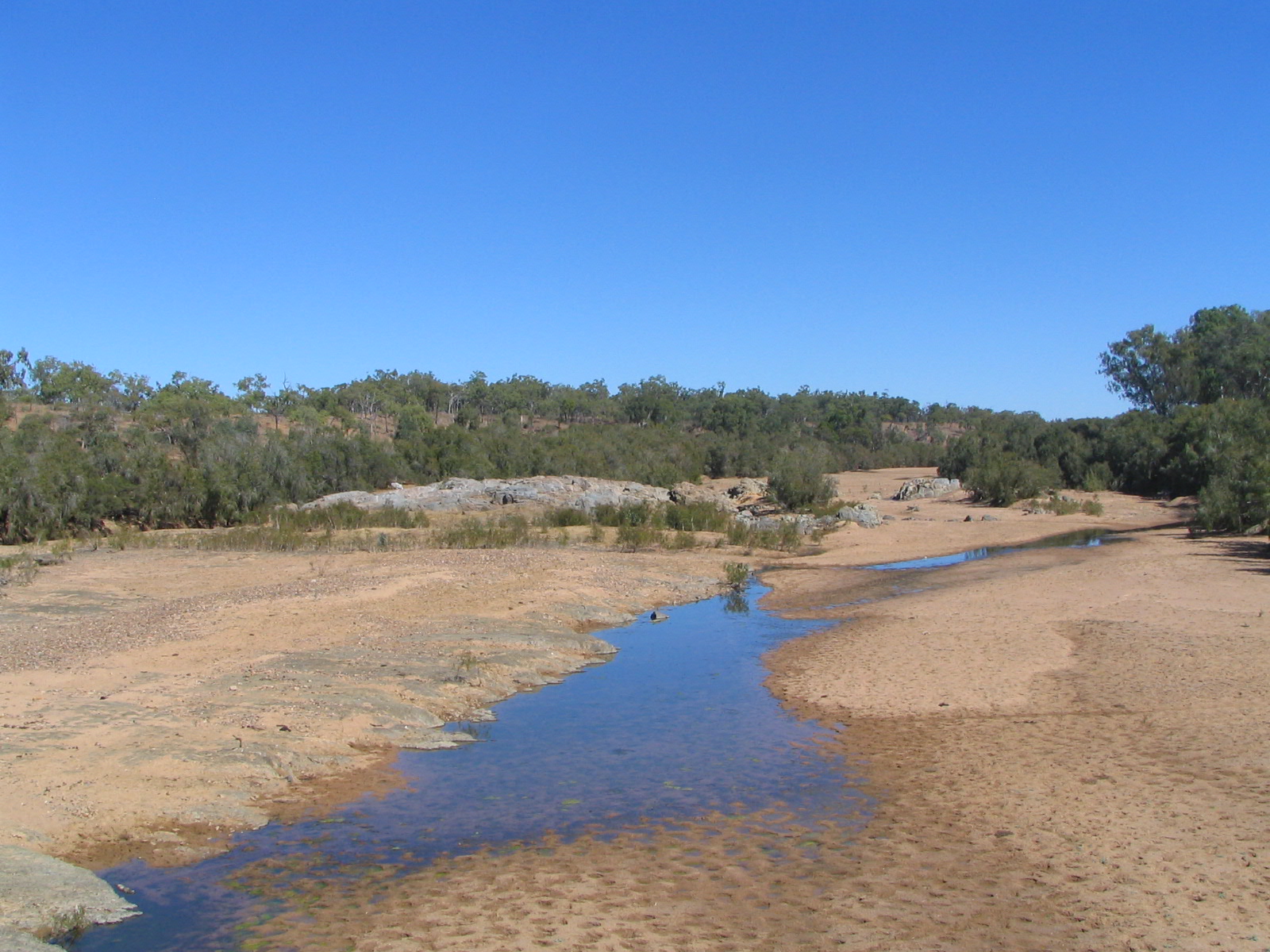
Queensland, Australia river Copyright 2004 Renate Leahy

By Stephen Leahy

Jan 25 (IPS) – Warmer, wetter and stormier — the largest ever scientific review of climate change will say there is virtually no doubt that emissions from burning fossil fuels are causing the documented rise in global temperatures.
Continue reading

Birds of Iraq Book Sparks Hope for Wildlife Conservation

birds_of_iraq_front_cover_resize.jpgParaphrase of the Day:

Iraq has lost much of its wildlife over the past 20 years but the newly published Field Guide to the Birds of Iraq opens the door for the growing conservation movement in this country. — Ali Douabul of Nature Iraq, an Iraqi NGO.

Story is now available:

Iraq’s Birds and Marshes Return Amid Bullets, Bombs and Violence

Amid Sectarian Chaos, Bird Lovers Persevere

Strict Quarantines Possible for African Outbreak of Deadly New Infectious TB Strain (XDR-TB)

Deadly New Strain of TB May Require QuarantinesCopyright 2004 Renate Leahy

Stephen Leahy

Jan 22 (IPS) – Enforced quarantines may be needed in South Africa and elsewhere to bring a deadly, contagious and drug-resistant strain of tuberculosis under control, health experts say.

An outbreak of extensively drug-resistant tuberculosis (XDR-TB) in South Africa’s KwaZulu-Natal province gained the attention of the World Health Organisation last year. Hundreds have been infected and the fatality rate is extremely high.

“The problem is a lot bigger than we know,” said Jerome Amir Singh, an HIV/AIDS expert at the Nelson R. Mandela School of Medicine, University of KwaZulu-Natal in Durban.
Continue reading

Synthetic Biology on Trial at World Social Forum 2007

etc-group-synbio-cover.png

Group Seeks Ban on “Living Machines”

By Stephen Leahy

Jan 20 (IPS) – Anyone with a laptop and a mailbox could create their own bacteria or virus, for good or ill, thanks to a rapidly evolving new technology called synthetic biology, activists warn.

Companies are jumping into synthetic biology and beginning to commercialise and patent bits of constructed DNA and other molecules that can be used to create living machines in the near future, the Canadian-based ETC Group warn in their report “Extreme Genetic Engineering: An Introduction to Synthetic Biology” which will be released at the World Social Forum (WSF) in Nairobi, Kenya Saturday.
Continue reading

World’s Poor Depend on Livestock But Little Aid for Vet Services

Saving Farmers’ Four-Legged Bank Accounts Fish and Meat for sale
Stephen Leahy

Jan 19 (IPS) – Most of the world’s poor depend on livestock to survive, but international poverty reduction efforts devote little attention to the health of these animals, experts say.

Animal diseases not only decimate herds and flocks in Africa and Asia, they prevent the sale of animals into the growing markets for meat, milk, eggs and other animal products at home and abroad, according to a policy paper published Friday in the journal Science.
Continue reading