
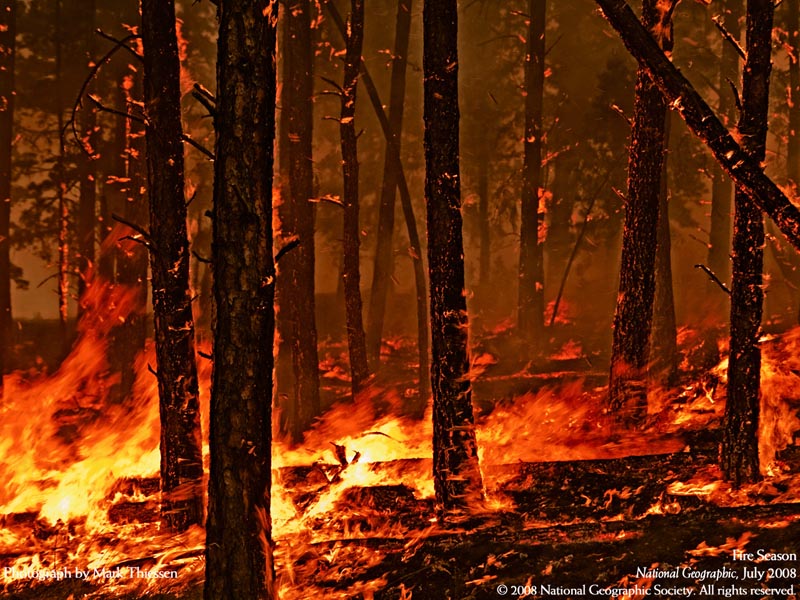
Burning trees for energy produces 1.5 times as much carbon as coal – study shows
By Stephen Leahy*
UXBRIDGE, Canada, Sep 24 ’09 (Tierramérica)
Millions of trees, especially from the developing countries of the South, are being shipped to Europe and burned in giant furnaces to meet “green energy” requirements that are supposed to combat climate change.
In the last two months alone, energy companies in Britain have announced the construction of at least six new biomass power generation plants to produce 1,200 megawatts of energy, primarily from burning woodchips.
At least another 1,200 megawatts of wood-fired energy plants, including the world’s largest, in Port Talbot, Wales, are already under construction.
Those energy plants will burn 20 to 30 million tonnes of wood annually, nearly all imported from other regions and equivalent to at least one million hectares of forest.
“Europe is going to cook the world’s tropical forests to fight climate change; it’s crazy,” Simone Lovera, of the non-governmental Global Forest Coalition, which has a southern office in Asunción, Paraguay, told Tierramérica.
This independent environmental journalism depends on public support. Click here learn more.
Europe has committed to reducing its carbon emissions 20 percent by 2020 in an effort to fight climate change. Biofuels and biomass energy will have key roles in achieving those goals, experts say.

 Stephen Leahy, International Environmental Journalist