Ethanol Worse Than Gasoline

oil-palm-seedling-in-burned-peat-forest-wetland-international.jpg

By Stephen Leahy
Feb 8 (IPS) – Biofuels are making climate change worse, not better, according to two new studies which found that total greenhouse gas emissions from biofuels are far higher than those from burning gasoline because biofuel production is pushing up food prices and resulting in deforestation and loss of grasslands.

Emissions from ethanol are 93 percent higher than gasoline,” said David Tilman, an ecologist at the University of Minnesota and co-author of one of the papers published Thursday in the journal Science.

“The bottom line is that using good farmland for biofuels increases greenhouse emissions,” he said.
Continue reading

Only Green Part of Most Biofuels is the Wealth (Subsidies) They Generate

sugar-cane-field-oz-rslpix1By Stephen Leahy

Feb 4 (IPS) – Biofuels have quickly turned from environmental saviour to just another mega-scale get-rich quick scheme. Countries and regions without their own oil reserves to tap now see their farms, peatlands and forests as potential “oil fields” — shallow but renewable lakes of green oil.

Renewable does not mean sustainable, and in most cases the only green part of biofuel is the wealth they generate.

Not surprisingly, given the record high oil prices, worldwide investment in bioenergy reached 21 billion dollars in 2007, according to the U.N. Environment Programme. The Inter-American Development Bank announced 3 billion dollars for investment in private sector biofuel projects — mainly in Brazil — while the World Bank said it had 10 billion dollars available in 2007.

Meanwhile development assistance for food-producing agriculture had fallen to 3.4 billion dollars in 2004 — with the World Bank’s share less than 1 billion dollars, according to the Bank’s own World Development Report on Agriculture released in October 2007. And most of this financial assistance was spent on subsidising use of chemical fertilisers. Continue reading

Organic Cure for Brain-damaging Pesticides Found in US Children

organic-banana-box.jpg

Children eating a normal diet have low levels of organophosphates — the family of pesticides spawned by the creation of nerve gas agents in World War II — according to a recent research says the Seattle Post-Intelligencer.

But once they switched to eating only organic foods these pesticides disappeared within 36 hours from the kids’ bodies.

Malathion and chlorpyrifos were the principal chemicals Emory University’s School of Public Health study found. Death or serious health problems have been documented in thousands of cases with high-level exposures. But impacts at low levels have been more difficult to determine. Animal studies do show chronic dietary exposure to chlorpyrifos results in neurological impairment i.e. brain and nervous system affects.

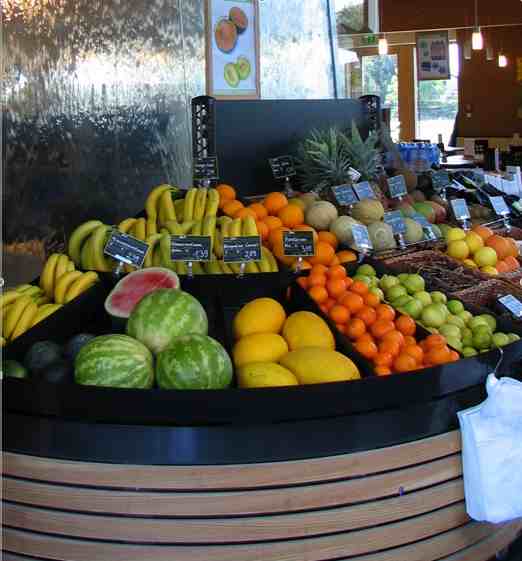
bio-fruit-counter-austria.jpgThe P-I article also details what foods have highest levels pesticides.

I wrote a detailed article about an earlier study by Emory U: Overweight? Hungry? Blame “Hollow Food”

Other related stories about organic foods/agriculture:

Food Additives Make Kids Hyperactive – Organic Better?

Organic Agriculture Reduces Climate Change, Poverty and Hunger

Organic Provides 3X More Food Per Acre in Poor Countries – podcast

Africa, South Asia Face Mega-Famines

stanford-food-security-banner-sml.jpg

By Stephen Leahy

Feb 1 (IPS) – Climate change will cause major disruptions in the global food system, and adaptation to those changes needs to begin immediately, experts say.

Otherwise one-fifth of the world’s population could starve and millions of others become climate refugees, forced by heat and drought to abandon their lands and hunt for food elsewhere in the coming decades.

To prevent this nightmarish future, researcher David Lobell says the world community should focus its efforts where climate threats are likely to make the greatest impacts.

“We used historical data to determine what food-producing regions of the world were most sensitive to changes in temperature and rainfall,” said Lobell, author of the study published in the journal Science today.

“Impoverished regions of Southern Africa and South Asia will be hit first and hardest by climate change,” Lobell told IPS from his office at Stanford University’s Programme on Food Security and the Environment. Continue reading

Biofuels: Another Good Reason to Hate American Policy

biofuel-gsi-rpt-1.png

By Stephen Leahy

Jan 25 (IPS) – U.S. biofuels production is driving up food prices around the world, giving billions of poor people a very good reason to hate U.S. policy, say environmentalists.

“The U.S. has led the fight to stem global hunger, now we are creating hunger,” said Lester Brown, president of the Earth Policy Institute, an environmental think tank in Washington.

The booming U.S. ethanol industry is diverting enormous amounts food into fuel: 81 million tonnes of grain in 2007 and 114 million tonnes this year, equaling 28 percent of the entire U.S. grain harvest, Brown told IPS.

Previous eras of high grain prices were mainly the result of bad weather, but these price hikes are the result of government policy, he said.”Grain prices are at record or near-record highs and they will go higher,” he said. “We might be the first society in history to use public tax dollars to drive up its own food prices.” Continue reading

How to Halt Collapse of Civilization – new bk

plan-b-30-cover.png

By Stephen Leahy

Jan 17 (IPS) – Imagine it’s a glorious new era and everything you’ll do as part of your normal day helps to stabilise the climate and the global population, eradicate poverty, and restore the earth’s damaged ecosystems.

Sound unrealistic?

It better not be because that is what it will take to prevent the end of human society as we know it, according to a new book, “Plan B 3.0: Mobilising to Save Civilisation“.

The crisis we face is both dire and urgent, requiring a transformative effort like the mobilisation of nations during World War II, says author Lester Brown, president of the Earth Policy Institute, an environmental think tank in Washington. Continue reading

America’s Biofuel Gladiators

Turning food into biofuel pits the car owners of the world against the two billion poor who struggle to get enough to eat says Lester Brown of the World Policy Institute.

Who do you think is going to win?

“This will be seen as one of the great tragedies in history,” says Brown.

See previously published articles on biofuels/energy:
Ethanol: The Great Big Green Fraud — Government subsidies amount to $15 billion in 2007

Greenest Ethanol Still Unproven – Cellulosic ethanol is long way off and may not be a solution

Biofuels and Carbon Credits Behind Global Deforestation

ENERGY REVOLUTION NEEDED NOW – Efficiency improvement is fastest, cheapest and easiest

Fish Farms Pushing Wild Salmon to Extinction

courtesy Alexandra Morton

By Stephen Leahy

Dec 14 (IPS) – V
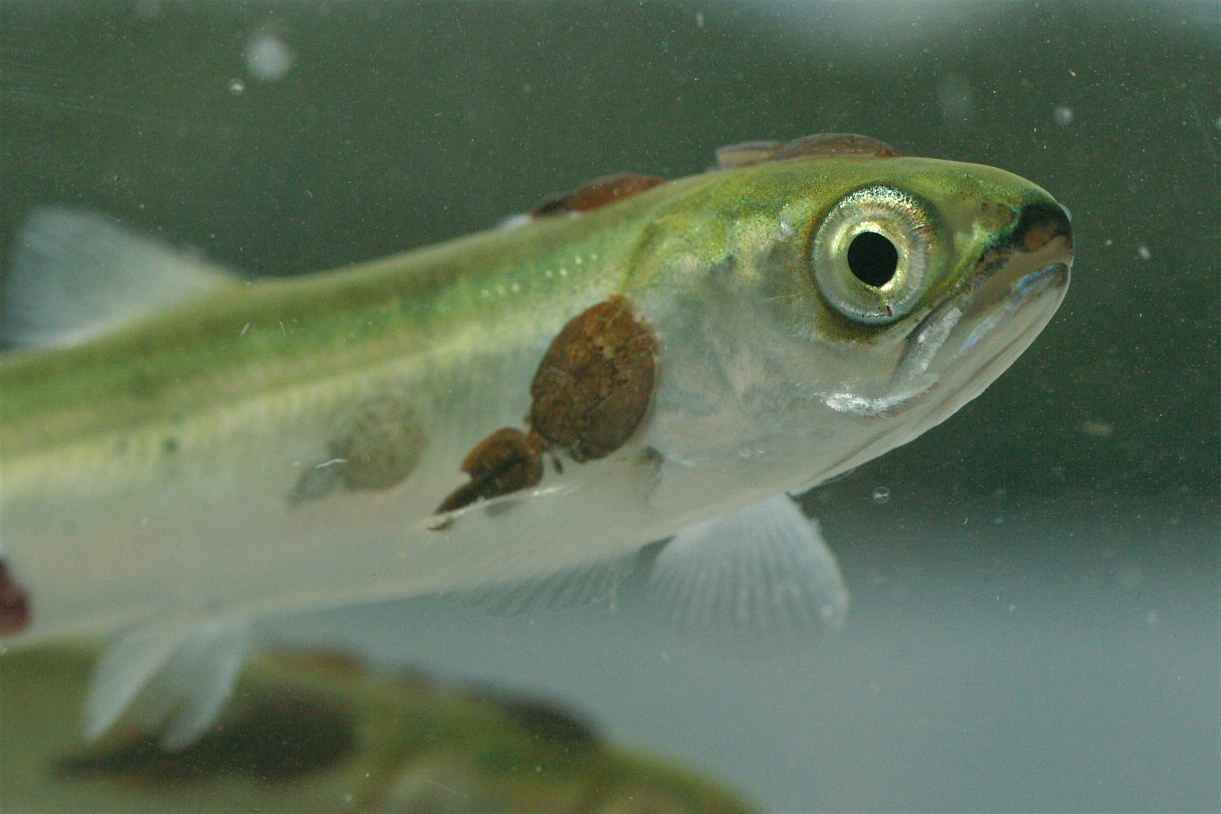
ast populations of pink salmon on Canada’s west coast will be extinct in four years due to infestations of parasites from open ocean salmon farms, scientists reported Friday in the prestigious journal Science.

Canadian officials seem likely to let the wild salmon go extinct, if past inaction is any indicator, Alexandra Morton, the study’s co-author and director of the Salmon Coast Field Station in Broughton, British Columbia, told IPS.

The Science study shows that infestations of sea lice have killed more than 80 percent of the annual pink salmon returns in British Columbia’s Broughton Archipelago, 300 kms north of the city of Vancouver, over the past four years. In another four years, there will be no more pinks if the infestations continue.

“If nothing changes, we are going to lose these fish,” said lead author Martin Krkosek, a fisheries ecologist from the University of Alberta. Continue reading

Catch less fish, Make More $

yellow-fin-tuna-catch-galapagos.jpg

By Stephen Leahy

Dec 11 (IPS) – Catch less fish. Make more money.

Could this be the solution to the global overfishing crisis?

Australian economists writing in the current issue of Science magazine think so.

Reducing fish catches in the short term will bring fishers big profits later. And that profit potential may finally persuade an intransigent fishing industry to agree to lower catch limits, they say.

“Bigger stocks mean bigger bucks,” says co-author Quentin Grafton, research director at the Crawford School of Economics and Government at the Australian National University (ANU).

“Our results prove that the highest profits are made when fish numbers are allowed to rise beyond levels traditionally considered optimal,” Grafton said. Continue reading

Junk Food and Smoking to Kill 100s of Millions in Poor Countries

By Stephen Leahy


Credit:Hendrike

Man lighting a cigaret

Nov 26 (IPS) – Chronic, non-infectious diseases like heart disease, stroke, cancer and diabetes kill more than twice as many people than HIV/AIDS, malaria or tuberculosis, experts warn.

In the next 10 years, some 388 million people will die of these largely preventable diseases, which are caused mainly by smoking, poor diet and lack of exercise. Often thought to be diseases of the rich, most of these deaths will be in the developing world, conclude the authors of a study published in the journal Nature this month.

“We have a huge health crisis here that few policymakers and other officials are aware of,” said lead author Dr. Abdallah S. Daar of the McLaughlin-Rotman Centre in Toronto, Canada.

Developing countries, and medical and donor groups have focused almost entirely on infectious diseases, Daar told IPS. “But that’s like putting out one fire in a house burning from both ends,” he said.

Continue reading