
Paraphrase for the Day II:
Iraq’s environment is a mess. The Tigris and Euphrates Rivers are open sewers. But the environment isn’t an important issue when you might get a bullet in the head stepping outside your door.
— Azzam Alwash, CEO Nature Iraq a conservation NGO in Baghdad.
Story to be published shortly.
Pollution and Toxics

40 Million Tonnes of Electronic Waste Each Year
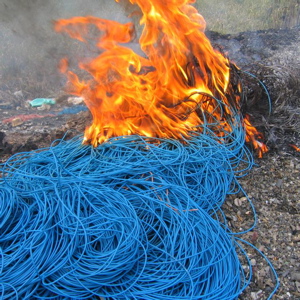 E-Waste Dumping Needs International Solution
By Stephen Leahy
Mar 9 (IPS) – A global public-private partnership was launched this week to reduce the toxic mountains of electronic waste and recycle increasingly valuable metals and components.
Much of the nearly 40 million tonnes of “e-waste” — discarded electronics and electrical appliances — produced globally each year ends up in China, India and other developing countries.
Continue reading
Tackling the E-waste Pollution Monster
 Paraphrase for the day:
One tonne of discarded mobile phones has about 7000 euros worth of precious metals.
— Ruediger Kuehr of the United Nations University
Story about a global public-private initiative is now available see 40 Million Tonnes of Electronic Waste. Describes global effort to reduce the toxic mountains of electronic waste and recycle increasingly valuable metals and components.
My related articles:
Is Your Old TV Poisoning a Child in China? Where Your e-waste Goes
Greener Cell Phones Thanks to European Laws
30 Million Lead-laden TVs Dumped on Poor Countries
Top Ten Worst Pollution Problems That Kill Millions – Including Ones You’ve Never Heard Of
DIRTY GOLD: Protests at Canada’s Goldcorp Mines In Honduras and Guatemala
[update: May 2010: The mining company Entremares, subsidiary of the Canadian consortium Glamis Gold, (Goldcorp _Vancouver, Canada) will be charged with polluting the central valley of Siria and of hiding information from the authorities. — Tierramerica]
By Stephen Leahy
The Canadian mining giant Goldcorp, which runs the largest gold mine in Mexico, is racking up complaints about its environmental violations. In Honduras, officials are considering legal action.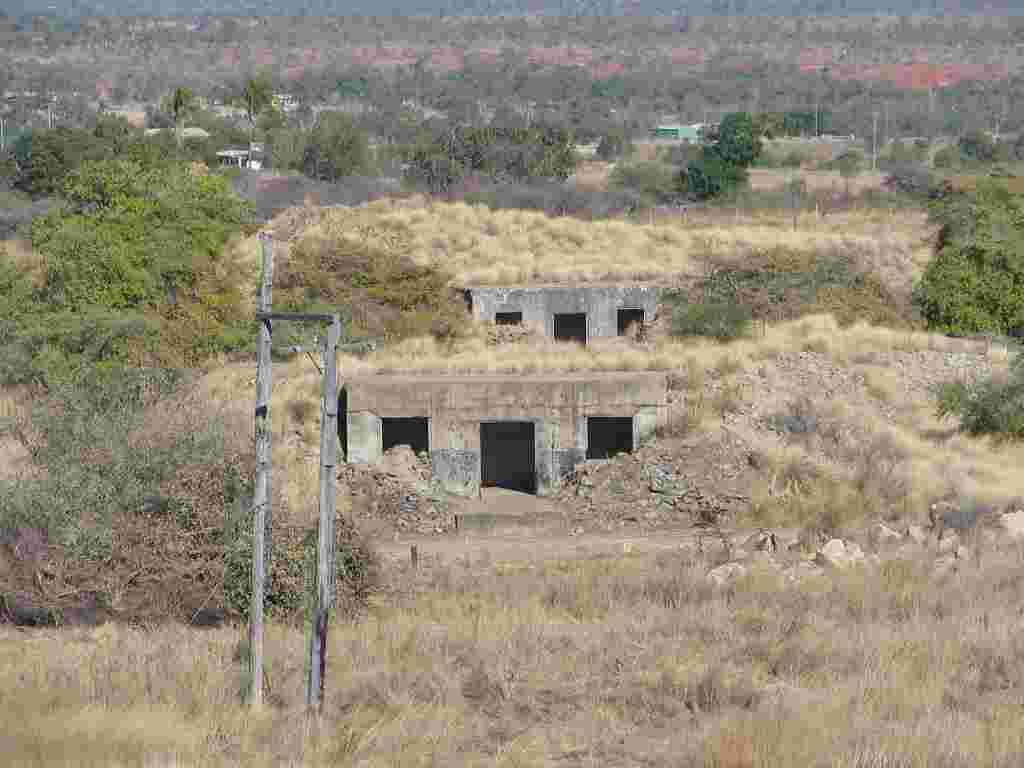 Old gold mine Queensland Australia Copyright 2004 Renate Leahy
GM Crops Creating Pest Problems Around World
GE Crops Slow to Gain Global Acceptance
By Stephen Leahy
BROOKLIN, Canada, Jan 9 (IPS) – Widespread use of genetically engineered (GE) crops remains limited worldwide, even as growing weed and pest issues are forcing farmers to use ever greater amounts of pesticides.
More than 70 percent of large-scale GE planting is still limited to the U.S. and Argentina, according to a new report released Tuesday by Friends of the Earth International (FOEI).
“No GM (GE) crop on the market today offers benefits to the consumer in terms of quality or price, and to date these crops have done nothing to alleviate hunger or poverty in Africa or elsewhere,” said Nnimmo Bassey of Friends of the Earth Africa in Nigeria.
“The great majority of GM (GE) crops cultivated today are used as high-priced animal feed to supply rich nations with meat,” Bassey said in a statement.
— See full story on how GM/GMO Crops are causing weed and insect problems.
Questions, story ideas, potential assignments, speaking engagements contact: writersteve AT gmail . com (no spaces)
Greener Cell Phones Thanks to European Laws
By Stephen Leahy
Mobile telephones in Latin America and across the developing world will contain less toxic materials, thanks to strict European standards, analysts say.

TORONTO, Jan 6 2007 (Tierramérica)
Cellular telephones that contain toxic chemicals are still being sold in Latin America and other developing regions. But thanks to strict European regulations, there are progressively fewer phones being made with cadmium, lead and other dangerous materials.
The new, stricter standards adopted by the European Union in 2006, forced the world’s five leading cell phone manufacturers to eliminate toxic metals and other materials from their products.
In a year or two, the majority of the more than one billion new mobiles sold annually will meet the EU standards even if most countries don’t have those restrictions, says Zeina Alhajj, a toxics expert with the environmental watchdog Greenpeace International.
“The mobile phone is a global product with screws made in China, silicon chips made in Malaysia, and cables made in the Philippines,” Alhajj told Tierramérica from Amsterdam.
It would be too complicated to manufacture phones to meet different standards, so the big companies are making all their phones meet European regulations, which are the toughest in the world, she added. Continue reading
Time for Upgradeable Cell Phones?
Quote of the Day
Mobile (cell) phone manufacturers continue to heavily market new products with new features so that the average person keeps their phone for only 18 months, said Zeina Alhajj, a toxics expert with Greenpeace International.
And that ‘lifespan’ is getting less with each year which is making a serious demand on natural resources..
“The next huge challenge is to stop this marketing and get the companies to make products that are both green and upgradable,” Alhajj said.
— See story on the Greening of the Cell Phone.
Questions, story ideas, potential assignments, speaking engagements contact: writersteve AT gmail . com (no spaces)
Radio Ecoshock — Podcasting Latest Talks by Top Environmental Thinkers

Hear the latest speeches and interviews with leading environmental thinkers such as Amory Lovins, David Suzuki, George Monbiot along with environmental news and features at Radio Ecoshock. Vancouver’s Alex Smith trolls the media world to find the best enviro talk and puts it together in a slick, professional format. And Smith’s enviro newscasts serves up latest enviro news with a light touch and silly sound affects.
Russia Leads the Most Poisonous Places on Earth
 [I have added more of the story in this post but the full article remains for subscribers only, sorry.]
By Stephen Leahy
Russia tops the list of the 10 most polluted places on the planet, while more investigation into Latin American and African pollution sites is needed, according to a U.S. environmental group.
Lead and other heavy metals, along with buried chemical weapons and radiation hazards from sites like Chernobyl in Ukraine, are the main sources of pollution affecting the health of 10 million people in different locations around the world.
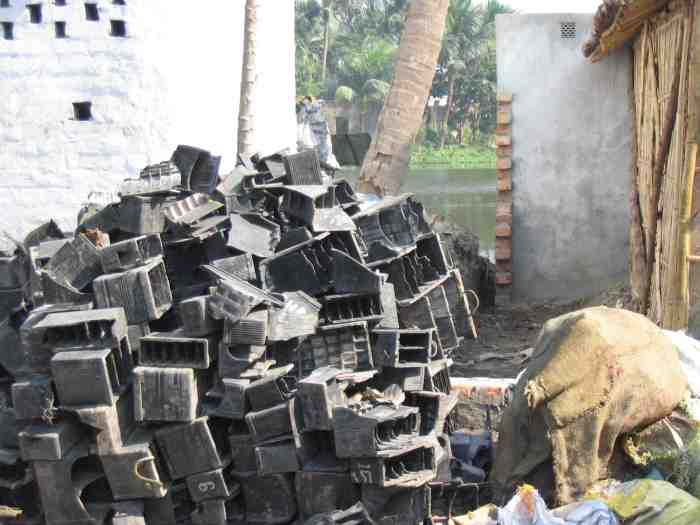
“These extremely toxic areas are mostly unknown even in their own countries,” said Richard Fuller, director of the New York-based Blacksmith Institute.
World’s Worst Polluted Places — The Top Ten
Paraphrase of the Day:
Life expectancy in the Siberian city of Norilsk is perhaps just 38 years due to air pollution and exposure to heavy metals from the world’s largest metal smelting operations — Richard Fuller, Blacksmith Institute, World’s Worst-Polluted Places report.
Story on World’s Worst Polluted Places.
 Stephen Leahy, International Environmental Journalist
