Free Access to Every Species on the Planet

new-species-of-squid-coml.jpg

A Web Page for Each of the World’s Creatures

By Stephen Leahy

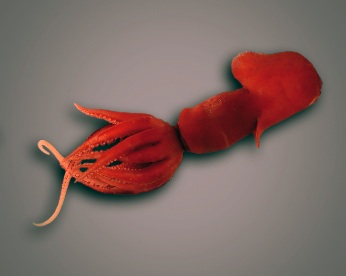
May 10 (IPS) – Scientists launched a global initiative Thursday called the “Encyclopedia of Life” that will document the Earth’s 1.8 million known species and track the impacts of habitat loss and climate change.

The ambitious electronic encyclopedia will catalogue the details of every species thus far identified and put all this information on the Internet so anyone can access it.

“This will be a fantastic resource for the developing world,” said James Edwards, the new executive director of the Encyclopedia of Life project headquartered in Washington at the Smithsonian Institution.

Continue reading

Observatorium: Pity the SUV Owner

Copyright 2006 Renate LeahyA shiny, giant 4X4 SUV rolls by, jacked up a half-metre off the ground to leap manhole covers with its 500 horses snorting toxic gases. Anger becomes sadness then slips into despair and slowly shifts to pity:

Folks place such personal value and investing so much of themselves into hunks of unfeeling metal.

And they miss the pleasure of walking on a beautiful spring day — too busy to pause and enjoy — too busy to play because they must pay and pay again for their shiny bauble.

Pity.

Can Capitalism Be Green?

Copyright 2006 Renate LeahyCan Capitalism Be Green?

By Stephen Leahy

Experts say continuous economic growth, intrinsic to capitalism, is not viable on a planet with increasingly scarce natural resources.

May 7 (IPS/IFEJ) – Capitalism has proven to be environmentally and socially unsustainable, so future prosperity will have to come from a new economic model, say some experts. Just what this new model will look like is the subject of intense debate.

One current states that continuous growth can be environmentally compatible if clean and efficient technologies are adopted, and if economies stop producing material goods and move towards services. This is known as sustainable prosperity.

International agreements to fight global problems, like the thinning of the atmosphere’s ozone layer and climate change, used market principles to achieve compliance by the private sector.

But the problem is, “We are consuming 25 percent more than the Earth can give us each year,” says William Rees, of the School of Community and Regional Planning at the University of British Columbia.

Continue reading

Feeding the World Without Destroying It

Farming Will Make or Break the Food Chain
By Stephen Leahy

May 2 (IPS) – As the world population swells to nine billion by 2050, global biodiversity will be under extreme pressure unless new ways to grow food are developed, experts say.

An additional one billion hectares of wild lands — mainly forests and savanna — will be converted to food production fields by 2050. While this may provide enough food, it is likely to result in a massive decline in biodiversity, undermining ecosystems that provide vital services such as clean water and air, and capture carbon to slow the build-up of climate-altering gases in the atmosphere.

Sixty percent of the Earth’s ecosystems are in trouble right now, warned the Millennium Ecosystem Assessment report last year.

What state will they be in by 2050? Continue reading