Why Our Weather is Weird ‘n Wild and Why It Is Getting Worse

Burning Fossil Fuels Bringing Heavy Rains and Flooding

(Bonus: How we can kick the fossil fuel addiction)


By Stephen Leahy

UXBRIDGE, Canada, Feb 16, 2011 (IPS)

Human-induced heating of the planet has already made rainfall more intense, leading to more severe floods, researchers announced Wednesday.

Two new studies document significant impacts with just a fraction of the heating yet to come from the burning of fossil fuels. Fortunately, another new report shows the world can end its addiction to climate-wrecking fossil-fuel energy by 2050.

“Warmer air contains more moisture and leads to more extreme precipitation,” said Francis Zwiers of the University of Victoria.

Extreme precipitation and flooding over the entire northern hemisphere increased by seven percent between 1951 and 1999 as a result of anthropogenic global warming. That represents a “substantial change”, Zwiers told IPS, and more than twice the increase projected by climate modeling.

Zwiers and Xuebin Zhang of Environment Canada used observations from over 6,000 weather stations to measure the impact of climate warming on the intensity of extreme precipitation for the first time. The study was published Wednesday in the journal Nature.

This independent environmental journalism depends on public support. Click here learn more.

The planet is currently 0.8 degrees C hotter from the burning of fossil fuels. However, global temperatures had not yet started to increase in 1951, the first year of rainfall data Zwiers and Xuebin examined. By 1999, global temperatures had climbed by about 0.6 degrees C. The average temperature increase over that 50-year period is relatively small compared to the present but major impacts have been documented in terms of storm and flood damage even with this small increase in temperatures.

This suggests that the Earth’s climatic system may be more sensitive to small temperature increases than previously believed.

Continue reading

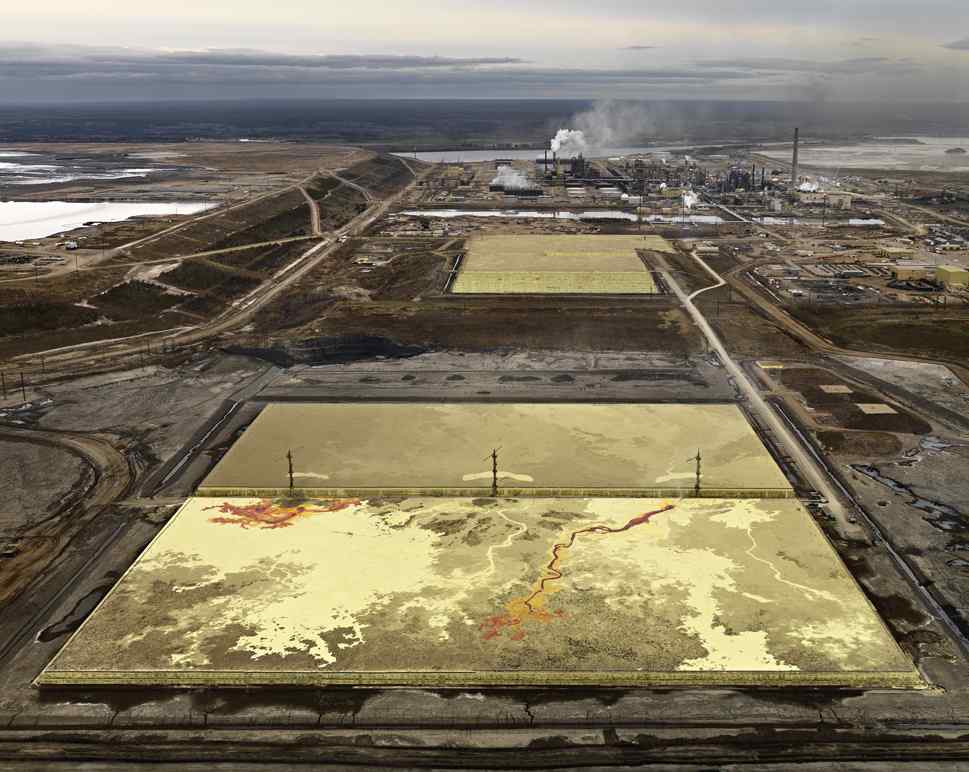
Canada Slashes Charity’s Funding To Protect Giant Tar Sands Project P.S. Oil companies get $2+ billion in subsidies

Please read this eloquent piece from Toronto Star columnist Catherine Porter on how the Harper govt cut funding of Kairos, a renowned church charity for telling the truth about Canada’s tar sands.

How can Canadians in good conscience try to help African women get water when it is carbon emissions from the tar sands are part of the reason they face drought?

And then Harper and his Minister Bev Oda lied and tried to cover up their vindictive actions claiming they want to improve the lives of the poor “efficiently”. (This from a govt giving billions in public subsidies to oil companies)

Here’s the first paras of Porter’s column:

A few years back, the staff at Kairos planned a trip to Nigeria’s oilfields to examine environmental damage, corporate responsibility and human rights abuses.

The board of the faith-based development organization rejected the idea. It sent them to Alberta’s tar sands instead.

“I remember saying, ‘They’ll kill us — that will be considered very political,’ ” recalls Mary Corkery, Kairos’ passionate executive director. “The churches said, ‘This is our work. Our work is inspired by faith to tell the truth. It’s a development issue if it’s far away. It’s a political issue if it’s at home. Or if it offends anyone.’ ”

Think it’s a stretch to compare Canada to Nigeria? A government that forges documents, that makes things up, that smothers dissenting opinions, that accuses the media of lying.

via Porter: Kairos does important work; we should all support it – thestar.com.

About Subsidies:

Every Day Governments Give an Estimated $2 billion to Oil, Coal & Gas Industry

About the Tar Sands:

30 Page e-book:_Oil Stains in the Boreal Forest: The Environmental Cost of Canada’s Tar Sands

Europeans stopped Canada’s Slaughter of Baby Seals – Can They Stop Canada’s Tar Sands?

Canada’s “Mordor” Ensures Climate Treaty Failure in Copenhagen

Tourism Is Poisoning the Mexican Caribbean

By Stephen Leahy*

UXBRIDGE, Canada, Feb 10, 2011 (Tierramérica)

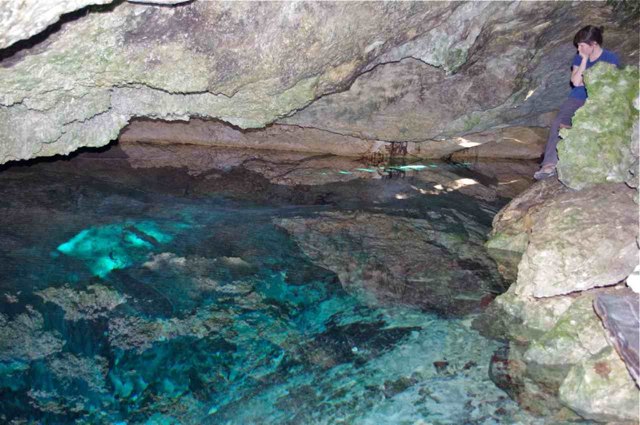
The booming tourist industry along Mexico’s Caribbean coast, particularly in the area of Cancún and the “Riviera Maya,” is polluting the world’s largest underwater cave system and harming the world’s second largest coral reef, a new study has found.

Pharmaceuticals, cocaine residues, shampoo, toothpaste, pesticides, chemical run-off from roads and many other pollutants have been found in the immense system of underground rivers and aquifers south of the resort city of Cancún, located on the Caribbean coast of Quintana Roo state.

“There is little question the pollutants we detected have come from human activity along the coastal region,” said Chris Metcalfe, a researcher with the United Nations University’s Institute for Water, Environment and Health.

The British journal “Environmental Pollution” published a study by the Institute this month, titled ” Contaminants in the coastal karst aquifer system along the Caribbean coast of the Yucatan Peninsula.”

Metcalf told Tierramérica that pit latrines, septic tanks, leaking sewer lines and golf courses were the most likely sources of groundwater pollution.

The flow of groundwater takes much of this pollution into the coastal zone and the region’s famous Mesoamerican Barrier reef, the second largest in the world, after the Great Barrier Reef off Australia.

This independent environmental journalism depends on public support. Click here learn more.

Land-based pollution is just one of the impacts on the coastal reefs, Metcalf said. Overfishing, coral diseases, and climate change have also contributed to an estimated loss of up to 50 percent of coral since 1990.

Without serious attention to preventing groundwater contamination, tourist development will kill the goose that laid the golden egg,” Metcalf said.
Continue reading

‘Snow Bomb’ Collapses 100s of Homes in S. Korea – Satellite Pix

More than 1 metre (three feet) last weekend – 50 cm more coming

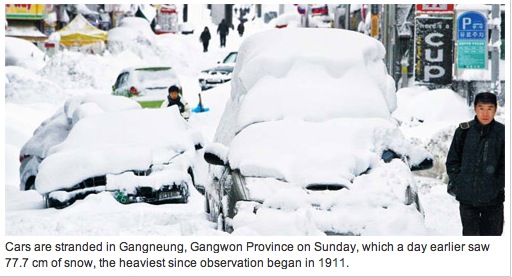
The heaviest snowfall in more than a century on South Korea’s east coast is causing widespread chaos. Hundreds of houses have collapsed under the weight of the snow. One newspaper described it as a snow bomb. The South Korean government has deployed 12,000 soldiers to rescue stranded residents.

Warmer than normal ocean temperatures are being blamed. This is similar to the warmer Arctic ocean temps in late Dec that contributed to the big snows and cold in North America, UK and parts of Europe.

[Update: Great sat pix from NASA showing the entire eastern half of Korea covered in snow. See also pix of Southern USA blanketed in more record-breaking snow last week]

NASA reports: “The heavy snowfall arrived on the heels of South Korea’s coolest January since the 1960s. The unusual cold might have been driven at least partly by the Arctic Oscillation (AO). A negative phase of the AO lowered temperatures in other parts of the Northern Hemisphere in January 2011.”

See also:

Arctic Defrost Dumping Snow on U.S. and Europe

The Great Groundhog’s Day Blizzard – Worst Winter Storm in 60 Years

Arctic Sea Ice Record – New Satellite Image

Cyclone Bingiza Hits Madagascar, Now Mozambique with Serious Flooding Pix

Bingiza off north east coast of Madagascar

Landfall Feb 14 Valentine’s Day

[Update 17 Feb:  Cyclone Bingiza to Worsen Mozambique, Madagascar Floods, UN Says see here for South African flooding NASA sat pix]

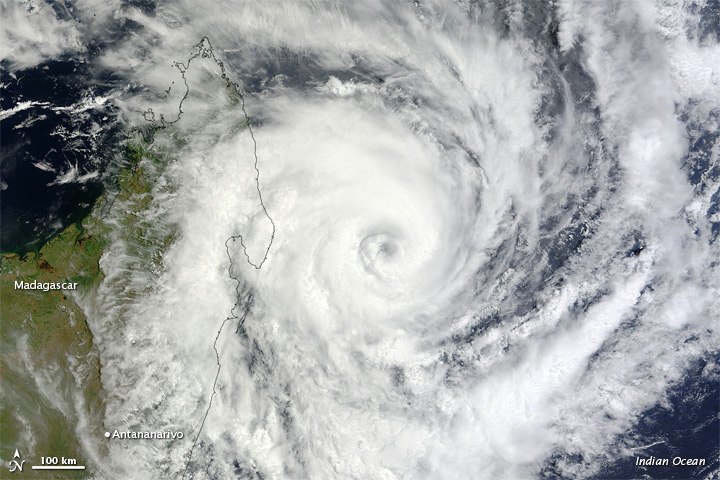
This is a big Cat 3 cyclone expected to affect 100,000’s of people. Sustained wind speeds of 160 kilometres per hour with gusts of up to 220 kilometres per hour, have been reported

NASA’s Terra satellite captured this image of Bingiza at 10:00 a.m. local time on Feb. 13, 2011. In the image, Bingiza’s eye approaches northern Madagascar, and a spiral arm grazes Antananarivo.

Related

Will Super Cyclone Yasi be Australia’s Katrina? Landfall Wed as Cat 5 Storm

The Yin and Yang of Climate Extremes We Will See More of

Hurricane Madness – 3 Hurricanes Spinning At One Time PIX


Amazon Drought Accelerating Climate Change

World’s Forests Losing Their Green. Billions of tonnes of CO2 Released

By Stephen Leahy

UXBRIDGE, Canada, Feb 3, 2011 (IPS)

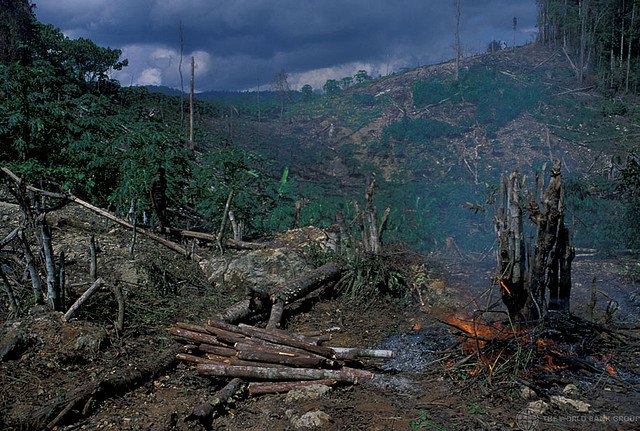
Last year’s severe drought in the Amazon will pump billions of tonnes of additional carbon dioxide (CO2) into the atmosphere, a new report has found.

Researchers calculate that millions of trees died in 2010, which means the Amazon is soaking up much less CO2 from the atmosphere, and those dead trees will now release all the carbon they’ve accumulated over 300 or more years.

The widespread 2010 drought follows a similar drought in 2005 which itself will put an additional five billion tonnes of CO2 into the atmosphere, Simon Lewis of University of Leeds in the UK and colleagues calculate in a study published Thursday in Science. The United States emitted 5.4 billion tonnes of CO2 from fossil fuel use in 2009.

The two droughts will end up adding an estimated 13 billion tonnes of additional CO2 – equivalent to combined emissions in 2009 from China and the U.S. – and likely accelerating global warming.

“New growth in the region will not offset those releases,” Lewis told IPS.

This independent environmental journalism depends on public support. Click here learn more.

After the 2005 drought, Lewis and Brazilian scientist Paulo Brando from the Amazon Environmental Research Institute (IPAM) led teams of researchers on the ground to assess the impacts. They determined that only a few trees died per hectare, and so while the forest canopy cover looked relatively unchanged, there had been a significant change in the forest’s carbon balance. Continue reading

Arctic Sea Ice Record – New Satellite Image

Temperatures of +21C above normal in Dec/Jan in the eastern Arctic. Parts of Hudson Bay remain unfrozen

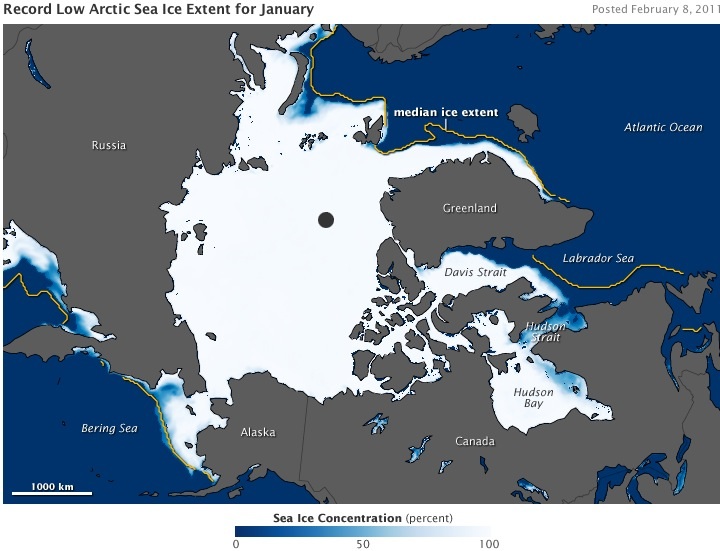
This NASA image shows average Arctic sea ice concentration for January 2011. Blue indicates open water; white indicates high sea ice concentrations; and turquoise indicates loosely packed sea ice. The yellow line shows the average sea ice extent for January from 1979 through 2000.

The U.S. National Snow and Ice Data Center (NSIDC) has reported that Arctic sea ice was at its lowest extent ever recorded for January (since satellite records began).

I’ve written about why this is happening and the consequences several times in recent weeks — Stephen

Arctic Defrost Dumping Snow on U.S. and Europe

Arctic Melt Down Is Bringing Harder Winters and Permanently Altering Weather Patterns

East Coast Blizzard and Europe’s Snowmaggddon Reveal Fingerprints of Climate Change

Stunning Satellite Pix of SuperCyclone Yasi on Landfall (and video)

Taken by MTSAT on February 2nd, 2pm (click for larger view)

The newly operational MTSAT-2 images from February 2nd are particularly striking. The images, showing the coldest clouds as white, reveal the extent of swirling white cloud and the deep eye of the storm which is clearly visible just off the coast of Northern Australia. — University of Leicester

My full posting of Yasi including graphs and pixs Will Super Cyclone Yasi be Australia’s Katrina?

Click to see amazing video of the approach of the cyclone on YouTube

Arctic Hits Bottom – Lowest Jan Sea Ice Cover Ever*

1.27 million square kilometers below avg


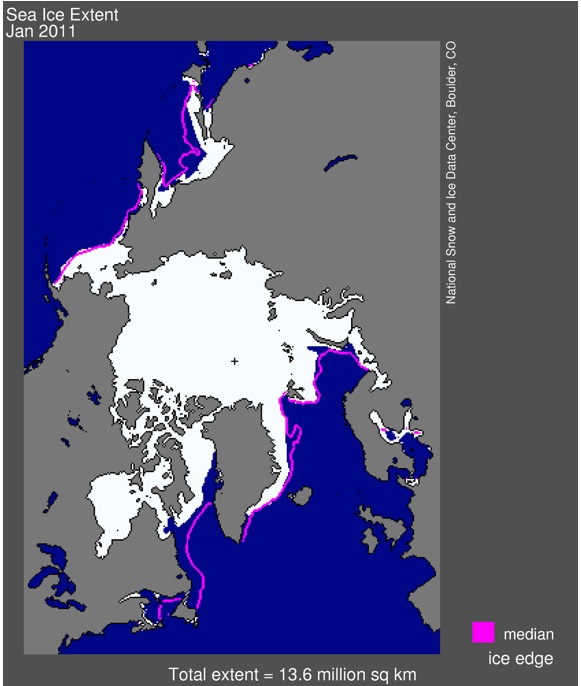
The National Snow and Ice Data Center reported wednesday that the Arctic sea-ice extent averaged just 13.55 million square kilometers, the lowest January ice extent since satellite records began in 1979 (*and likely the lowest in thousands of years– SL). That’s a whopping 1.27 million square kilometers below the 1979 to 2000 average.

No surprise given the absurdly warm Arctic temperatures of +21C above normal in Dec/Jan.

I’ve written about why this is happening and the consequences several times in recent weeks:

Arctic Defrost Dumping Snow on U.S. and Europe

Arctic Melt Down Is Bringing Harder Winters and Permanently Altering Weather Patterns

East Coast Blizzard and Europe’s Snowmaggddon Reveal Fingerprints of Climate Change

The Arctic summer’s sea ice melt will likely be another record low pushing the world to an ice-free Arctic one summer in the new future. FYI weather-related records will continue to fall faster than dominos without drastic cuts to our fossil fuel emissions. And frankly I’m tired of writing about it. — Stephen

Bounce the Bottle – Back to the Tap: The Campus Ban On Bottled Water

“Queen’s University became the tenth Canadian post-secondary institute to commit to end the sale and distribution of bottled water on campus, sending the industry a clear message that campuses are backing the tap,” says Water Access Group Member Professor Steven Moore.

Students, staff and faculty are … asking college and university administrations to instead promote investment in accessible public water infrastructure, says press release.

For more visit Inside the Bottle – has great video: “The Story of Bottled Water” – Stephen

My previous post explains why getting rid of plastic water bottles are important for our health and environment (and water tastes much better in steel or glass).

The New Campus Cool: Water Fountains for Drinking – Uni bans bottled water