“Fracking” for Shale Gas: The Bridge to Global Warming Disaster

Switching from coal to gas can increase global warming – NCAR

[UPDATE JAN 20 2012: New study published in journal Climatic Change shows large volumes of methane released during fracking]

By Stephen Leahy 

DURBAN, South Africa, Dec 5, 2011 (Tierramérica)

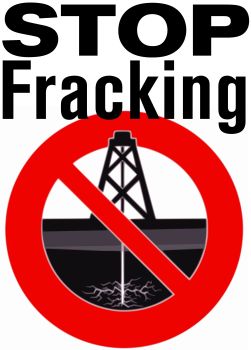
Hydraulic fracturing or “fracking” is being used to tap the last remaining natural gas deposits across large areas of the United States and western Canada, fueling continued dependence on hydrocarbons instead of a shift to genuinely clean energy sources to cool the planet.

Called shale gas, these deposits represent a new and enormous source of fossil fuel.

“Fracking is driving exploration and drilling all over the United States,” said Gwen Lachelt of the non-governmental organisation Earthworks’ Oil & Gas Accountability Project.

“The oil and gas industry is marching across America from Texas to North Dakota and from the east coast to California,” Lachelt told Tierramérica.

There may be as much as 23,427 billion cubic metres (bcm) in recoverable gas from U.S. shale formations, according to the Annual Energy Outlook 2011, released in April by the U.S. Energy Information Administration (EIA).

The United States will consume 650 bcm of natural gas this year, the EIA projected. Globally, it estimates reserves of “unconventional gas” – the oil and gas industry term for shale gas and coal bed methane – at 915,000 bcm, with 100,000 bcm in Latin America.
However, that estimate is already out of date due to developments in fracking technology and exploration. The EIA estimate of shale gas in the United States in 2009 was less than half the 2011 estimate.

Fracking uses horizontal drilling and hydraulic fracturing with high pressure water and chemicals to fracture gas-bearing shale rock.

Holes are drilled vertically as little as 100 metres and as much as 3,000 metres into the shale, and then horizontally 1,000 metres along the shale formation. Chemicals and large amounts of water are pumped underground at high enough pressure to fracture the shale, releasing the gas into the pipeline.

The “dash for gas” as the industry pundits like to say is being driven by potential exports to Asia and the mistaken belief that natural gas is the “transition fuel” from coal to a low-carbon economy.

It is true that natural gas is “cleaner” in that it releases about 40 to 45 percent less carbon dioxide than coal does to produce the same amount of energy.
However, gas from fracking has a higher carbon footprint because more energy is needed to get the gas and because methane leaks out.

Methane has 25 times the warming impact of carbon dioxide.

Switching from coal to gas as an energy source could result in increased global warming, not less, according to the study “Coal to Gas: The Influence of Methane Leakage”, released in September by the U.S. National Center for Atmospheric Research (NCAR).

This is mainly due to the methane leakage problem, which is common but unregulated.

[UPDATE JAN 20 2012: New study published in journal Climatic Change shows large volumes of methane released during fracking]
In Unprecedented Move, Harper Government Pulls Canada out Kyoto Protocol

Stephen Harper called Kyoto a “socialist scheme to suck money out of wealth-producing nations

Wealth-producing Nations Condemn Canada’s Withdrawal

By STEPHEN LEAHY

CAPE TOWN, Dec 14, 2011 (IPS)

Barely 24 hours after it signed a new global climate change agreement in Durban, South Africa, Canada became on Monday the first country to formally withdraw from the Kyoto Protocol, the only legally binding treaty to reduce emissions causing climate change.

The 17th Conference of the Parties (COP17) concluded last Sunday with an agreement called the Durban Platform, which includes a consensus agreement for a second commitment period of the Kyoto Protocol after the first expires at the end of 2012.

Canada’s government under Stephen Harper essentially agreed to a continuation of Kyoto only to announce formal withdrawal after Canadian Environment Minister Peter Kent arrived back safely in Canada on Monday.

“Kyoto, for Canada, is in the past,” Kent said in Durban on Dec. 7. Still, he insisted in a statement on Monday, “Canada went to Durban in a spirit of good will.”

Despite the so-called good will, Canada is well known as a pariah on climate and environmental issues, having being judged as the most uncooperative country for the last five climate treaty COPs.

Kent brought a “reckless arrogance with him to Durban, where he’s maintained a hard line… and fought hard to put polluters before people”, according to Climate Action Network, an international coalition of environmental non-governmental organisations (NGOs) attending COP17.

Canada’s withdrawal comes as no surprise. Mirroring the views of the fossil fuel industry, the Harper government has expressed disdain for the Kyoto Protocol. In a fundraising letter prior to coming to power in 2006, Harper called it a “socialist scheme to suck money out of wealth-producing nations”.

Under the Kyoto Protocol, Canada agreed to reduce its carbon emissions by six percent by 2012 in comparison to its 1990 emissions.
In Durban Canada wins Fossil of Year for 5th Year
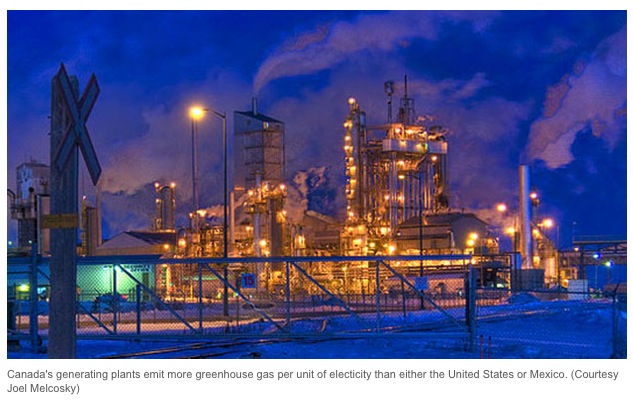
While Canadians individually cut emissions at the urging of previous governments, the enormous expansion of emission-laden tar sands operations inflated Canada’s emissions by 24 percent above 1990 emissions.

On Monday, Kent said that for Canada to meet emissions targets would entail taking every vehicle off the road and cutting the heat in every building in the country. He did not mention reducing emissions from the tar sands.

“I regret that Canada has announced it will withdraw and am surprised over its timing,” said Christiana Figueres, executive secretary of the U.N. Framework Convention on Climate Change (UNFCCC), under which climate negotiations like COP17 are held. Continue reading

EcoMobility Gaining Ground As Cars/Roads Become Too Expensive

Car Ownership Declines in Europe as Cities’ Focus on Walking, Bikes & Public Transit

Cost of Personal Car Ownership Tops $10,000 a year

By Stephen Leahy

CHANGWON, South Korea, Nov 1, 2011 (Tierramérica)

Berlin is a big capital city of a country famed for making excellent automobiles, but it can no longer afford roads and is now moving people by transit, bike and especially through walking.

Berlin is not alone. Paris, Tokyo, Seoul, Bogotá, New York City and other major cities simply cannot afford the cost, the pollution, the noise and the congestion of more cars. They are embracing a new concept called EcoMobility – mobility without private cars.

“EcoMobility is not only walking, cycling and public transportation. It is about these three systems clicking together: connectivity is the key,” Gil Peñalosa, former director of parks and recreation in Bogotá, Colombia, told those attending the EcoMobility Changwon 2011 congress.

The congress on Mobility for the Future of Sustainable Cities was organised by the South Korean city of Changwon and ICLEI – Local Governments for Sustainability, an association of local government members from more than 1,220 cities in 70 countries.

“The famous Times Square in New York City is now a permanent pedestrian mall. Who would have believed that could happen just three years ago?” Peñalosa commented to Tierramérica.

“Five years ago who would have thought Paris would have over 22,000 bikes as part of a tremendously successful bike sharing system?” added Peñalosa, who is now the executive director of 8-80 Cities, an NGO based in Toronto that promotes walking, cycling, parks and urban trails to improve the public life of cities.

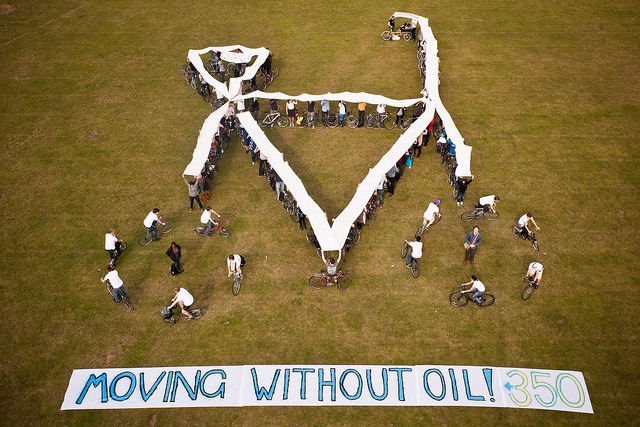
“We need to build cities around people and not around cars,” he stressed. Continue reading

Canada’s Harper Government Guts Environment, Science and Monitoring Programs

Man w picture of grandchild was arrested for protesting against tar sands expansion, Sept 2011 Ottawa, Canada - Pix by R Leahy

Environment budget slashed while PM Harper’s office places a gag order on government scientists. (And a $60 billion order for military equipment)

By Stephen Leahy

UXBRIDGE, Canada, Nov 9, 2011 (IPS)

Canada’s Stephen Harper government is spending more than 60 billion dollars on new military jets and warships while slashing more than 200 million dollars in funding for research and monitoring of the environment.

Amongst the programmes now crippled is Canada’s internationally renowned ozone monitoring network, which was instrumental in the discovery of the first-ever ozone hole over Canada last spring. Loss of ozone has been previously linked to increases in skin cancer.

“The proposed cuts go so far the network won’t be able to do serious science,” said Thomas Duck, an atmospheric scientist at Halifax’s Dalhousie University.

Canada was the pioneer in ozone monitoring, developing the first accurate ozone measuring tool that led to the discovery that the world’s ozone layer was dangerously thinning in the 1970s, which in turn led to the successful Montreal Protocol on Ozone Depleting Substances.

Canada has about one-third of the ozone monitoring stations in the Arctic region. It also hosts the world archive of ozone data, which is heavily relied on by scientists around the world.

“There’s only one guy running the entire archive, and he’s received a lay-off notice letter,” Duck told IPS.

Ozone monitoring and research is part of Environment Canada, the government department charged with protecting the environment, conservation and providing weather and meteorological information.

“Canada can’t afford to pay scientists but we can line the pockets of big oil?

That is totally backwards.”

Continue reading

The Quiet Crisis: Lost Foodlands Cover Area Larger Than Canada and China Combined – Two Billion People Affected

12 Million Hectares Lost Every Year to Desertification

Dealing with desertification has a long history of failure.

By Stephen Leahy

CHANGWON, South Korea, Oct 13, 2011 (IPS)

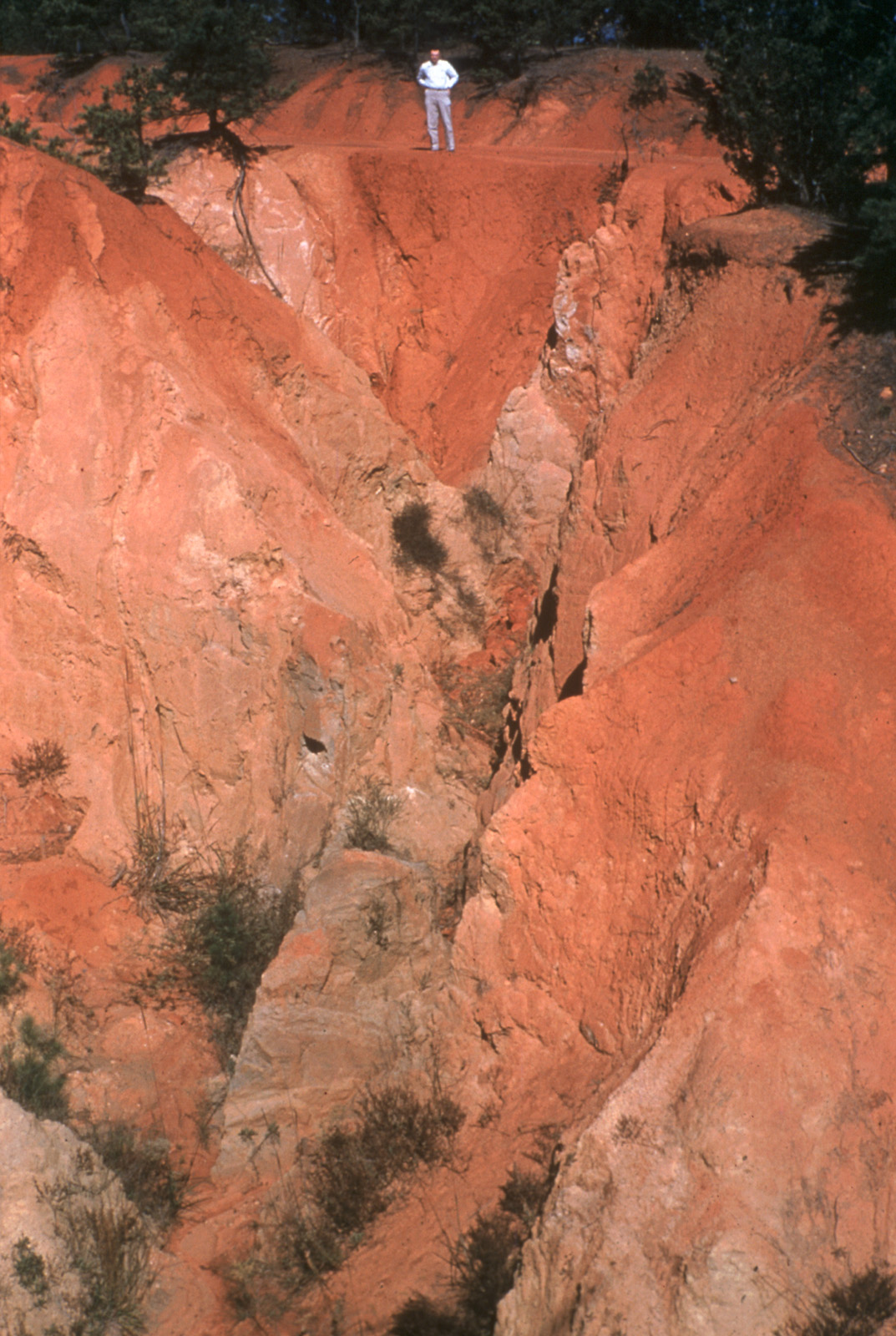
Degradation of land is the world’s quiet crisis, undercutting food production, increasing water scarcity, impoverishing hundreds of millions of people and affecting two billion overall. Nearly 20 million square kilometres of the earth’s arable lands – an area twice the size of Canada – have already been degraded.

Each year, 12 million hectares of land, where 20 million tons of grain could have been grown, are lost to desertification. Unless this trend is reversed soon, feeding the world’s growing population will be impossible, experts say. However, the global community has failed for over two decades to address this serious challenge.

Now, delegates from 193 countries are meeting in South Korea under the United Nations Convention to Combat Desertification (UNCCD) to review progress on a ten-year plan to reverse the ongoing decline in the quality and quantity of land in food-producing regions.

During the 10th Conference of the Parties (COP 10) under the UNCCD, delegates will also consider creating a scientific body like the Intergovernmental Panel on Climate Change to serve as the global authority on desertification and land degradation.

“The UNCCD will take bold steps towards delivering critical services to the two billion people that face negative impacts of desertification, land degradation and drought,” Luc Gnacadja, executive secretary of the UNCCD, told delegates during the opening session of COP 10 that began Oct. 10 and concludes Oct. 21.

Land degradation is mainly the consequence of poor land management in conjunction with changes in rainfall. Erosion and degradation most often result from ploughing fields, removing crop residues after harvest and overgrazing. It is akin to tire wear on cars – a gradual, less noticeable process with potentially catastrophic consequences if ignored for too long.

“People do not notice land degradation until there is a crisis,” said Pier Paolo Roggero, a scientist at University of Sassari in Italy. Continue reading

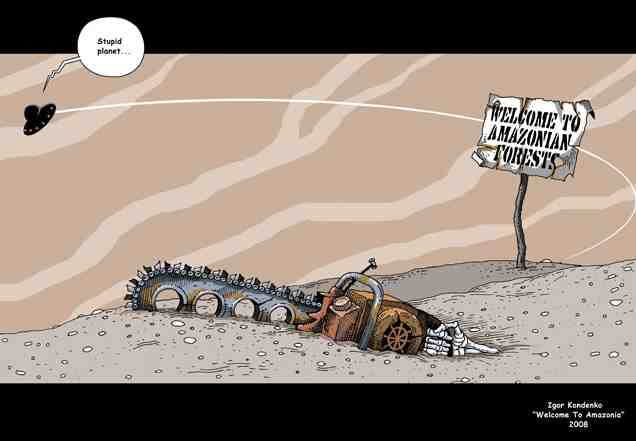
Brazil’s Forest Code and Land Speculators To Amp Up Amazon Deforestation Rates

90% of Forest in Apuí Converted into Pasture But the Real Profit is in Land Sales

By Stephen Leahy*

UXBRIDGE, Canada, Jul 28, 2011 (Tierramérica)

Many migrants from southern Brazil who clear forests in Brazil’s state of Amazonas are making their living as small-scale land speculators and not as farmers or as cattle ranchers, new research has found.

This on-the-ground reality and the proposed changes to Brazil’s Forest Code are likely to ramp up deforestation rates again, despite the country’s commitment to reduce deforestation 80 percent by 2020, experts say.

The Forest Code (Law 4771) was adopted in 1965 and has undergone numerous reforms, the most recent in 2001. This past May 24, an overwhelming majority in the Chamber of Deputies voted in favor of a bill to relax its requirements with regard to forest conservation. The bill is currently under study in the Senate. [Update Dec 28 2011]

A detailed study conducted in the municipality of Apuí along the Transamazon Highway in Amazonas found that many families in the region earned little income from cattle.

Instead, they were clearing the land in order to claim land titles to sell the land to large corporate ranchers, according to the study “Forest Clearing Dynamics and the Expansion of Landholdings in Apuí, a Deforestation Hotspot on Brazil’s Transamazon Highway”, published in the journal Ecology and Society in June.

From the early 1990s the population of Apuí has tripled, and the municipality has had some of the highest rates of deforestation in all of the state of Amazonas. Approximately 90 per cent of the area has been converted into pasture, the study found.

“These families are always moving into new forest areas to deforest so they can claim land title. And after a few years they sell it for a much higher price,” said study co-author Gabriel Carrero of the Institute for Conservation and Sustainable Development of Amazonas (IDESAM). Continue reading

Durban May Be Last Chance to Stabilise Climate Under Two Degrees — Africa, Russia To Cook by 2020; Most of Canada and China by 2030

By Stephen Leahy

The International Energy Agency estimates that 80 percent of projected emissions from the power sector in 2020 are already locked in.

CHANGWON, South Korea , Oct 23, 2011 (IPS)

The window to limit global warming to less than two degrees C is closing so fast it can be measured in months, a new scientific analysis revealed Sunday.

Without putting the brakes on carbon emissions very soon, large parts of Africa, most of Russia and northern China will be two degrees C warmer in less than 10 years. Canada and Alaska will soon follow, the regional study shows.

“If one is sincerely committed to limit global temperature increase to below two degrees C… (governments) committing to a global peak emission level and peak year makes sense from a science perspective,” said Joeri Rogelj of the Institute for Atmospheric and Climate Science in Zurich, who headed the analysis published Sunday in the journal Nature Climate Change. [See NCC editorial “Crossing the threshold”]

Governments will be meeting in Durban, South Africa starting Nov. 28 to launch the next round of climate treaty negotiations, which so far have failed to ensure their goal of less than a two-degree C increase will be achieved.

IPS asked Rogelj if government delegates in Durban ought to set a specific year by which global emissions will peak and then decline to ensure the two-degree C target will be met.

“Committing to such targets would ensure that we embark globally on a technologically and economically feasible low-emission path,” Rogelj said.

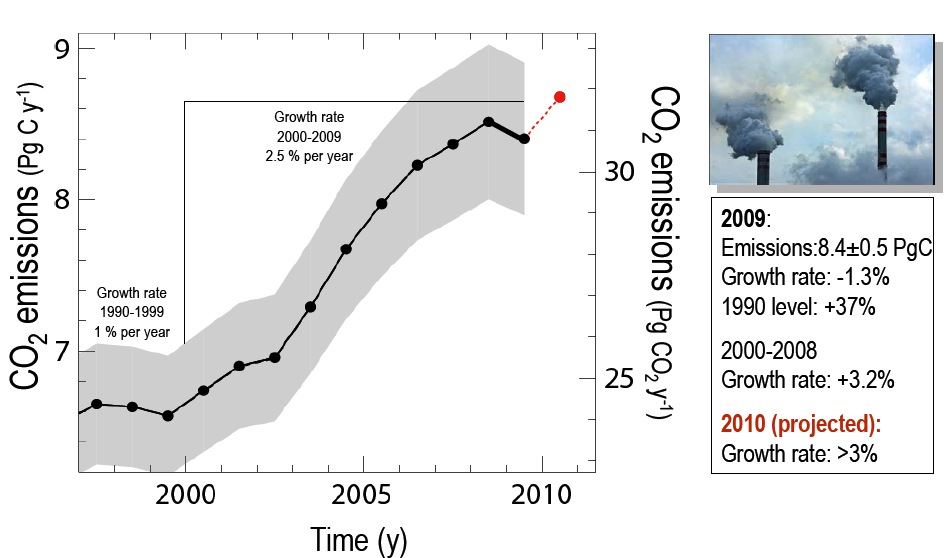
Rogelj and a group of leading experts show in this state-of-the-art analysis that to have a 66-percent or better probability of staying below two degrees C this century, global carbon emissions must peak before 2020. Global emissions ought to be around 44 billion tonnes of CO2 in 2020. That is four billion tonnes (also called gigatonnes, Gt) less than the estimated emissions for 2010.

After 2020 emissions must decline rapidly, about two to three percent less each year until they fall to 20 Gt by 2050, according to the computer models. This is an emissions “pathway that will be very challenging to achieve”, Rogelj and colleagues conclude in their study.

Very challenging” is scientist-talk for something that will be extremely difficult to do. The International Energy Agency (IEA) estimated that 80 percent of projected emissions from the power sector in 2020 are already locked in, as they will come from power plants that are currently in place or under construction today.

“This significant increase in CO2 emissions and the locking in of future emissions due to infrastructure investments represent a serious setback to our hopes of limiting the global rise in temperature to no more than two degrees C,” said Dr. Fatih Birol, chief economist of the IEA, last May. Continue reading

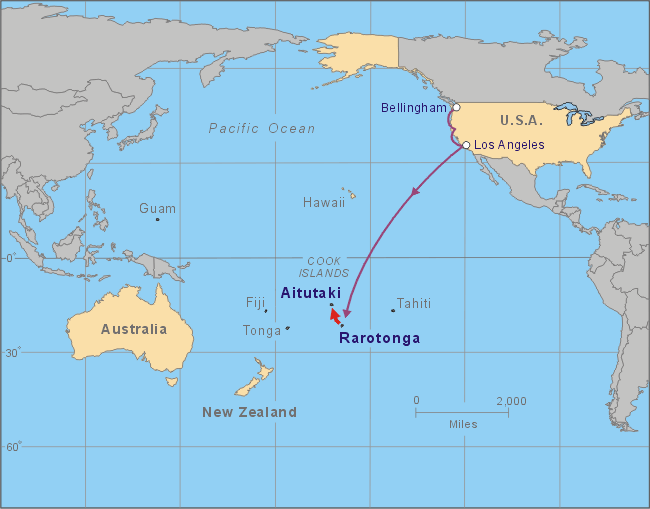
Cook Islands Aims for 100 Percent Green Energy by 2020

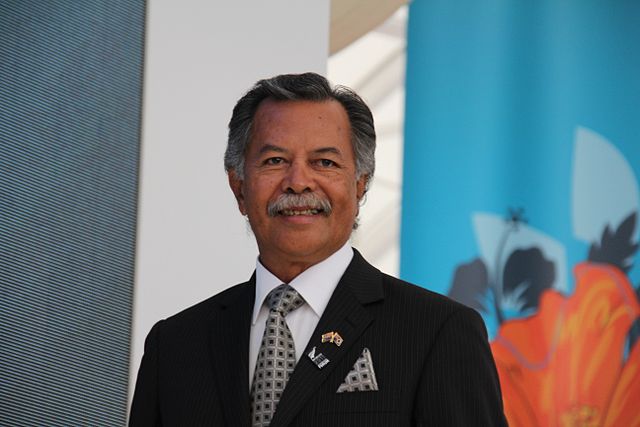
President of Cook Islands – Henry Puna

 Cook Islands’ Carbon Footprint is the size of a town of 3,000 in America

Stephen Leahy interviews HENRY PUNA, Prime Minister of the Cook Islands

VIENNA, Jul 13, 2011 (IPS) –

“One hundred percent renewable energy by 2020… It is ambitious but it is not impossible,” Henry Puna, prime minister of the Cook Islands, told IPS in a recent interview.

The Cook Islands is one of those low-lying island countries that will drown without serious cuts in the carbon emissions that are warming the planet and melting the world’s ice sheets.

Home to just 14,000 people, the Cook Islands is made up of 15 small islands spread over an area the size of India in the middle of the South Pacific. The entire country’s carbon emissions are about equal to those of the average U.S. or Canadian town of 3,000 people.

With an action plan born of desperation, it wants to be the world’s first zero-carbon emissions country by 2020. With little renewable energy at present and dependent on foreign aid, the Cook Islands plans to generate half of its energy with renewables just four years from now and reach 100 percent by 2020.

IPS senior environmental correspondent Stephen Leahy spoke with Prime Minister Puna at the Vienna Energy Forum in June, where 1,200 delegates from 120 countries and over 40 government ministers discussed how to bring clean, reliable and affordable energy services to everyone on the planet.

Excerpts from the interview follow.

Q: The Cook Islands have a tiny carbon footprint. Why are you making this commitment to be 100-percent renewable?

A: Statistically, our carbon emissions don’t register. As a people we want to do something about climate change, if not for the world than for ourselves.

Nearly all of our energy comes from oil [diesel and petrol] and we spend half of our national budget on oil. That’s tens of millions of dollars that leaves our islands. We want to keep those millions in our local economy. Cook Islanders people are strongly supportive of our dream is to be the cleanest and greenest destination in the world. One day the world will want to know how we got to 100 percent.

Q: Are you hopeful the international community will finally agree to make the necessary carbon emissions cuts to keep global warming to less than two degrees C?

A: The reality is that things move very slowly at the international level. At the [Vienna] forum, I urged the international community to ensure that global carbon emissions peak by 2015 and begin to decline. We need to act fast. This is the decade where we must bring emissions of climate change under control.

Our circumstances differ, we have different life experiences….but we are all part of Mother Earth and should share responsibility to keep her livable for all of us and not just for some.

Q: Are Cook Islanders worried about climate change?

A: The Cooks are already suffering from sea level rise, coral bleaching, more frequent and stronger cyclones, changes in precipitation, and increases in coastal erosion. We live off the sea and the land – we depend on nature for our livelihoods. Anything affecting nature causes alarm amongst people. Climate change threatens our very survival. There is a general sense of apprehension about the future.

Q: What makes you believe you can achieve your ambitious target?

A: Yesterday, I visited Güssing [in Austria], an impoverished town in the 1990s that re-made itself by going 100-percent renewable energy. They got rid of fossil fuels and achieved energy independence. They also attracted lots of clean and green businesses and become a tourist centre.

I spent time with the mayor. They’re going to come to the Cooks and give us advice. They are willing to share their experience. I’m absolutely excited by this.

Q: Your country has few financial resources. Do you really think the Cooks can do what Güssing has done?

A: It’s a small town and we’re a small country. What I learned from Güssing is that if there is the political will backed by public support, then anything can happen. We already have a plan for a two- megawatt solar plant in one of our islands. We have support from Japan, New Zealand and UNDP [the United Nations Development Programme].

Q: What are some of the obstacles you have to overcome?

A: The technology to generate all of our energy already exists but energy storage is the key. We also need to make sure some of this will be able to be used and maintained by isolated communities without the technical skills.

Q: Any final thoughts?

A: Knowing we are taking action helps us feel good even if the world does nothing. We’re not doing this just for the Cook Islands. It is our contribution to improve the overall global environment.

First published as Q&A: Cook Islands Aims for 100 Percent Green Energy by 2020 – IPS ipsnews.net.

Carbon Markets Are NOT Cooling the Planet

Carbon markets have failed – prone to fraud – experts report

Climate change is the world’s biggest market failure so why would we expect carbon markets to save the day? There isn’t going to be a climate treaty for some years yet.It is simply too complex and politically charged. Don’t be too depressed about this. We are in uncharted waters as a species in trying to find an equitable way to manage the climate of our planet. But action is needed now and the best place is at our local neighbourhood level to save energy, use alternatives, build communities and inform people IMHO. — Stephen

By Stephen Leahy*

BONN, Jun 22, 2011 (Tierramérica)

Carbon markets have been widely promoted as the only way to generate enough money to enable industries and countries to reduce their carbon dioxide emissions, which are largely responsible for global warming. The only problem is that nearly 20 years after their conception, they have failed to work, and have also been subject to fraud and other financial crimes.

Interpol, the world’s leading policing agency, has warned that carbon market schemes are easily taken advantage of by organised crime.

Earlier this year, carbon credits worth 38 million dollars went missing in the European Union’s carbon market after funds were transferred by computer hackers from the Czech Republic to Poland, Estonia and Liechtenstein before disappearing. That was the fourth time funds had been stolen or mislaid.

“A lawyer formerly involved in carbon trading told me that if markets are still trading carbon 10 or 15 years from now, then the global environment will be in very big trouble,” Steve Suppan, senior policy analyst at the U.S.-based Institute for Agriculture and Trade Policy (IATP), told Tierramerica.

“Carbon markets are open to fraud, misrepresentation and deceptive promotion,” Suppan said in an interview at the United Nations Framework Convention on Climate Change (UNFCCC) negotiating sessions held in Bonn Jun. 6-17.

These markets have had huge support from governments and they still do not work to effectively reduce greenhouse gas emissions, said Suppan, whose organisation works on trade, agriculture and environmental issues.
Continue reading

Rich Countries Largely Live Off Financial Transactions

[Excerpts from my Dec 2010 article on how rich countries move money around and produce little while preventing green development in Africa  — Stephen]

“The world’s big economies are largely living off financial transactions which are unconnected to development,” warns Supachai Panitchpakdi, secretary-general of United Nations Conference on Trade and Development.

In a rejection of failed neoliberal economic policies, Panitchpakdi said strong national policies on investments, taxation, protection of local industries, including subsidies, and changes to less restrictive intellectual property regimes are what is needed to green economies in Africa and elsewhere.

“Green economic development underpins environmental protection, economic growth and development,” he said.

Here’s a startling fact based in a new energy study:

Universal Access to Electricity Less Than Cost of Fossil Fuel Subsidies