Final Update: COP 16 Cancun Climate Conference

19 Dec 2010

On reflection there was some progress at COP 16. Small island states, whose very existence is threatened, were satisfied the world is on its way to a significant climate treaty so that is something. Last year in Copenhagen, hardly anyone happy with the outcome. There is still a long and difficult road ahead. Not least because there remains a powerful and well-funded opposition to emission reductions in many countries.

In 2011 I hope to uncover more about that opposition while continuing to write about how the physical processes of climate change are not waiting for us to get our act together. Substantial changes are already underway. Changes to the global water cycle have been shown in the first global study of evapotranspiration rates as detailed in my article: “Climate Changes Herald a Future of Widespread Drought – Water Left High and Dry in Climate Talks”

The article also looks at some fairly dire drought projections for the coming decades.

For those experiencing a rough, early winter, I did the first article revealing how the melting Arctic may be bringing earlier and harsher winters to the UK, parts of Europe and North America. That story happened because of donations to help cover my costs of attending a polar science conference in Oslo were those new findings were presented. Science journalism isn’t easy or cheap to do. I was one of  few journalists in Oslo because hardly any media outlet covers travel costs any more – never mind paying a decent fee for a story. That’s why I am trying Community Supported Journalism where people support my efforts to inform people about the great issues of our time.

A warm thank you to those who sponsored some of the Cancun articles, contributing some much needed cash to help cover my costs.  Supporters names are prominently listed in the articles here. I can no longer continue to do environmental and science journalism without your help so thank you for helping out.

— Stephen

Just click the button to go to the PayPal Secure Donation* page & enter your sponsorship amount (fully secure, major Credit Cards accepted)

Your one-time or monthly contributions are vital for Community Supported Environmental Journalism (click for more info)

*More than 100,000 non-profits safely use PayPal Donate service

Climate Changes Herald a Future of Widespread Drought – Water Left High and Dry in Climate Talks

Serious droughts expected in large parts of the world in coming decades

By Stephen Leahy

CANCÚN, Dec 8, 2010 (IPS/TerraViva)

As the world heats up, continents are drying up, with severe droughts forecast in the future. But negotiators at the climate summit here seem to have forgotten about water in their endless discussions over forests, carbon trading and finances.

“The main impact of climate change is on the planet’s water cycle,” said Henk van Schaik of the Cooperative Programme on Water and Climate, a foundation based in the Netherlands.

“Climate-driven changes in the water cycle will affect large regions of the world,” van Schaik told TerraViva at a side event meeting here at COP 16 in Cancún .

The impact of climate on the world’s water resources is not addressed within the U.N. climate framework, said Anders Berntell of the Stockholm International Water Institute.

“Negotiators here see it as just another sector of the economy but it is a basic element for life. Water is the bloodstream of our planet,” Berntell said.

This article was made possible thanks to contributions from Hugh & Jo-Ann Roberston, Kevin Toner, Michael Sweatman, Ann Wakelin, Lynn Carey, Leif Knutsen, Nan Nolan, Chris Conrad, Godo Stoyke.

[Due to the high costs of covering such important events, support is needed from readers like you.Please consider making a small automatic monthly contribution as a fair exchange for these articles – for more information.] Continue reading

100 Million Suffering in World’s Toxic Hotspots – 1% of Wall Street Bonuses Would End This In a Year

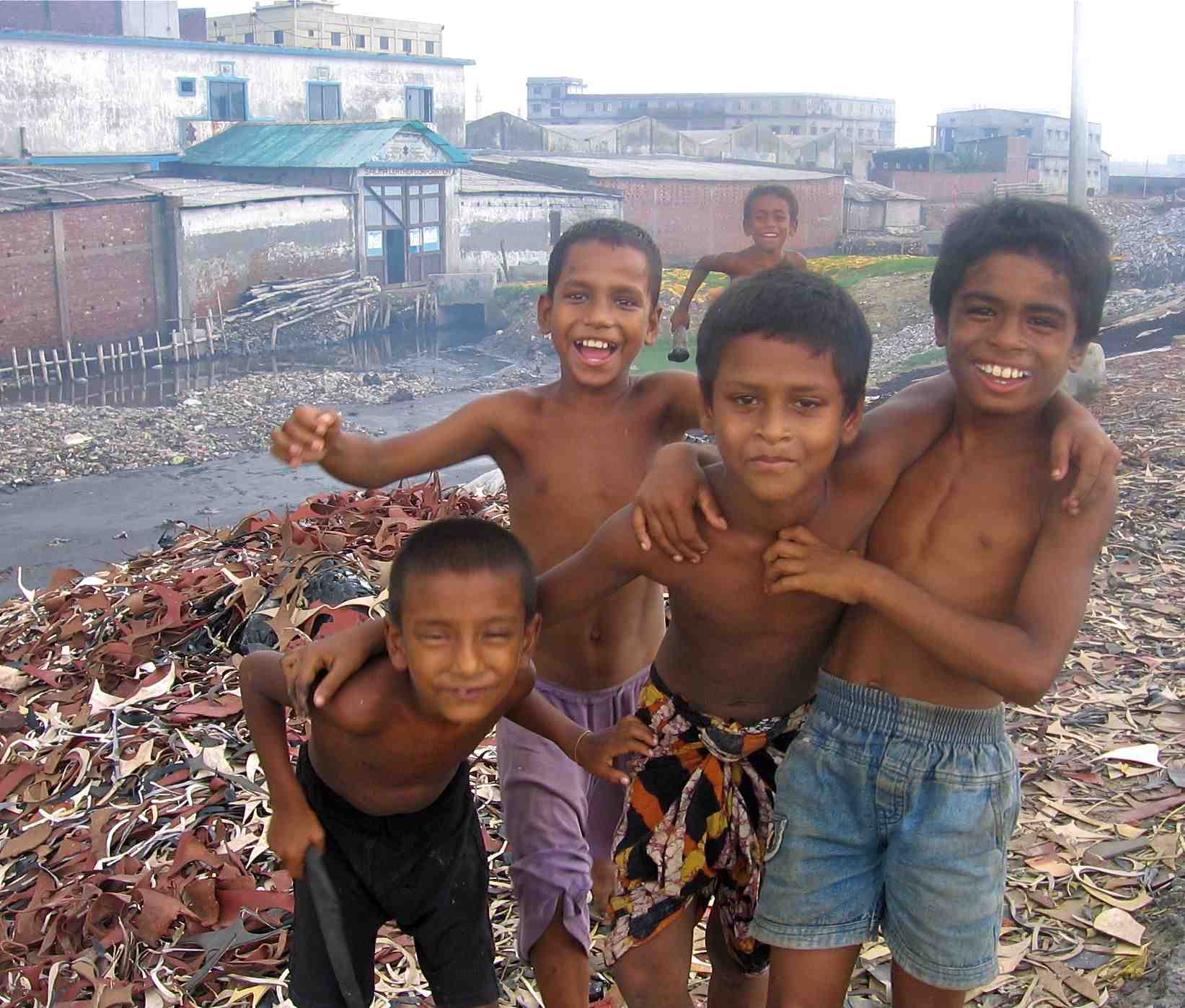
Millions of kids are condemned to die or suffer severe brain damage because there is no money to clean up toxic sites and neighborhoods. One or two billion dollars would solve the problem permanently but health advocates have to beg and plead to get maybe $20-$30 million. Wall Street’s 2010 bonus and salaries are estimated to total a record-breaking $144 billion for just 36 firms according to Wall Street Journal.

Don’t you think they could donate 1 per cent of their ‘earnings’? — Stephen

By Stephen Leahy

UXBRIDGE, Canada, Nov 11, 2010 (IPS)

One of the world’s biggest health threats is also one of the least recognised – more than 100 million people who literally breathe and eat toxic pollutants like lead, mercury, chromium every day, according to the first-ever detailed assessment.

By contrast, global attention and billions of dollars are focused on AIDS, tuberculosis and malaria, which affect comparable numbers of people.

“Toxic pollution has been under the radar screen of most governments for some time,” said Stephan Robinson of Green Cross Switzerland, a group focused on environmental health, and co-author of the assessment titled “World’s Worst Pollution Problems Report 2010”.

“These pollution problems can be dealt with affordably and effectively,” Robinson told IPS.

Past clean-up projects designed by the groups range from the very low-tech, low-cost to more technical engineering projects involving soil removal at playgrounds and groundwater remediation, he said. Continue reading

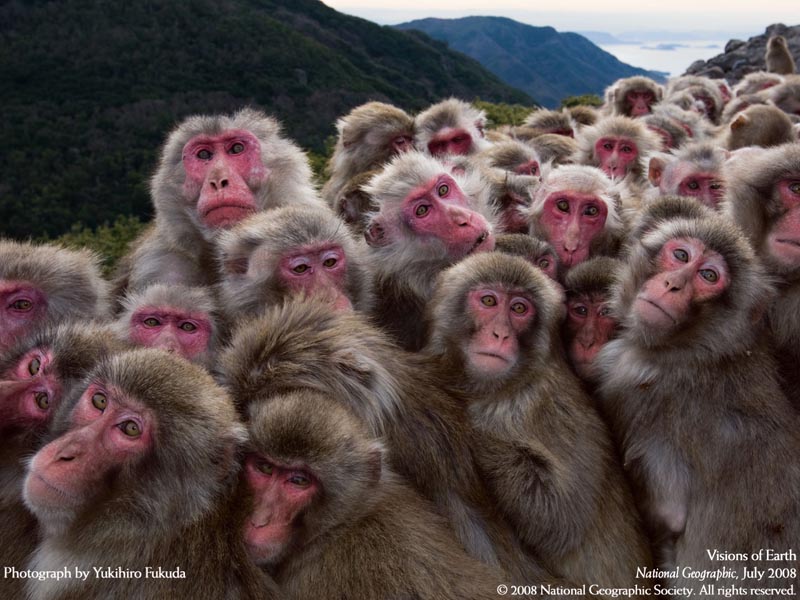
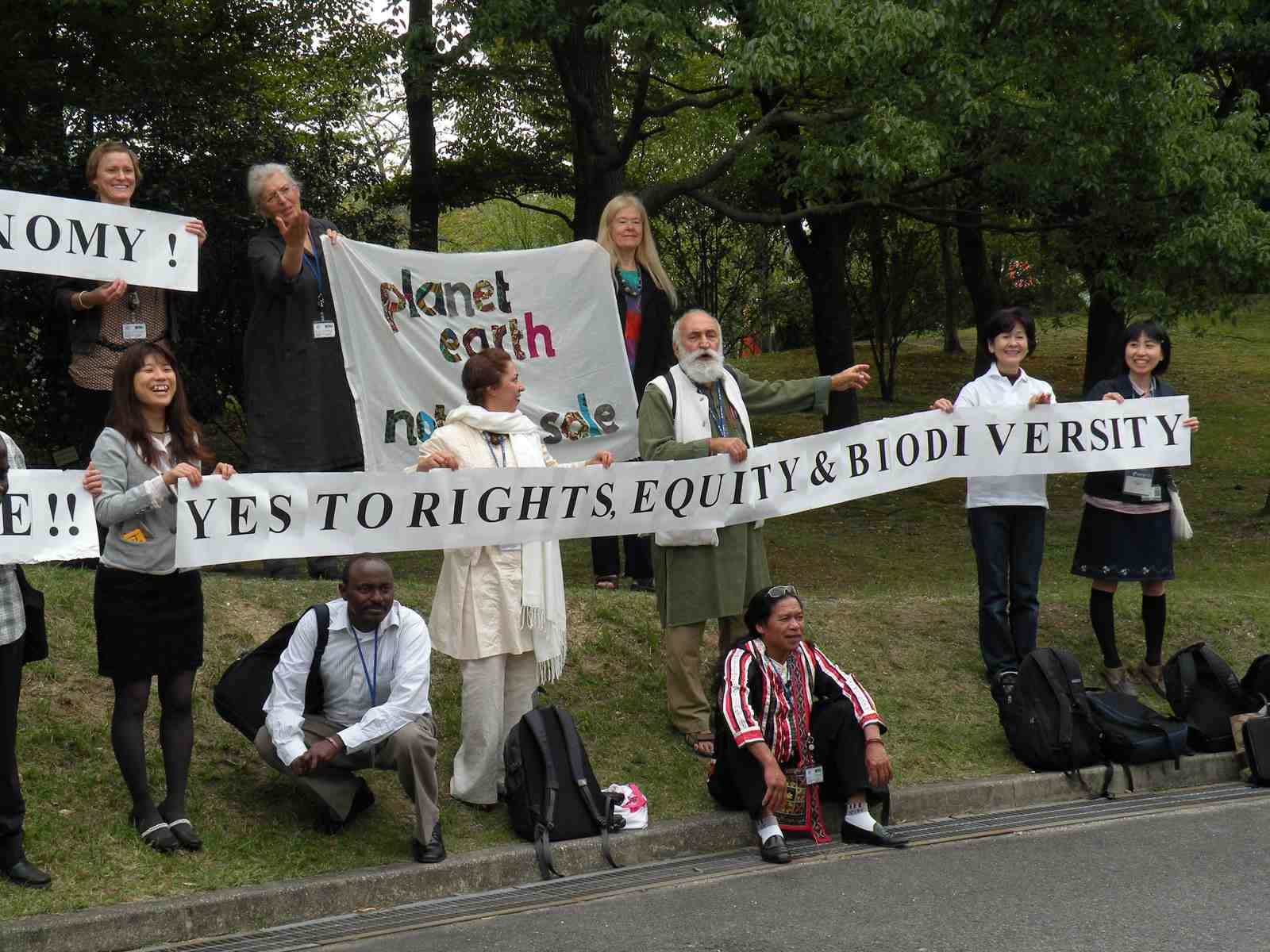
Biodiversity Pact Signed To Halt Species Extinctions and Protect the Web of Life

By Stephen Leahy*

NAGOYA, Japan, Oct 31, 2010 (Tierramérica)

The delegates to the 10th Conference of Parties (COP 10) to the Convention on Biological Diversity ended up with a relatively weak plan for the Herculean task of halting the disappearance of species. The exception was a pact on the use of genetic resources.

Delegates from 193 countries agreed to put under protection 17 percent of land and 10 percent of oceans by 2020 to stop the loss of plant and animal diversity in their ecosystems.

Currently less than 10 percent of land and less than one percent of the oceans are protected. Previous targets had been 25 and 15 percent, respectively

But among the items agreed was the “Nagoya Protocol on Access to Genetic Resources and the Fair and Equitable Sharing of Benefits Arising from Their Utilisation,” the most notable achievement of COP 10 — which had been in negotiations for 18 years.

The Nagoya Protocol establishes mechanisms for making use of the genetic material in plants, animals and microbes for food, medicines, industrial products, cosmetics and other applications.

Is this article of interest? It exists thanks to contributions from readers. Please click here to learn more about Community Supported Journalism.

Continue reading

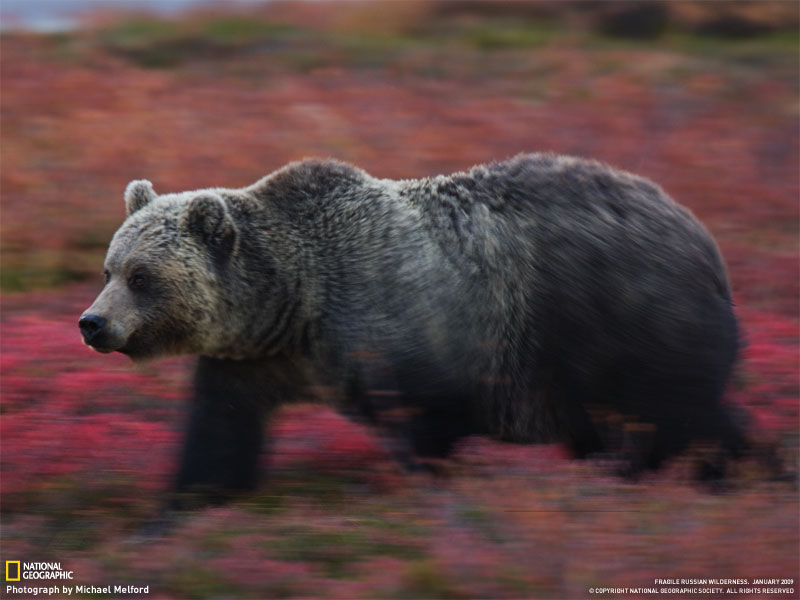
Tackling Climate Change Only Way to Halt Species Extinction Crisis and Declines

An IPCC for Species Needed

By Stephen Leahy

NAGOYA, Japan, Oct 26, 2010 (IPS)

A major change in the direction of economic development is essential to avoid the catastrophic unraveling of Earth’s ecosystems that support all life, a new global analysis published in the journal Science revealed Tuesday.

Climate change, pollution, deforestation and other forms of land use change are pushing species into extinction, reducing their abundance and home ranges.

Human societies and infrastructures have evolved with and rely on particular sets of species and ecosystems and now these are being reshuffled,” said Paul Leadley of the University Paris-Sud in France who led the study.

“Even optimistic scenarios for this century consistently predict extinctions and shrinking populations of many species,” Leadley told IPS by telephone from France.

The goal of halting the loss of biodiversity by 2020 is under intense negotiation this week in Nagoya at the 10th Conference of the Parties to the Convention on Biological Diversity. However, based on five recent global environmental assessments, Leadley says that ending biodiversity loss by 2020 is sadly “unrealistic”.

Is this article of interest? It exists thanks to contributions from readers. Please click here to learn more about Community Supported Journalism.

Continue reading

Dams Come At a Price of Hi-Quality Food — Hard to Put a Price-tag on Healthy Rivers

By Stephen Leahy

NAGOYA, Japan, Oct 22, 2010 (IPS)

Damming a river may bring electric power, but it often comes at the price of high-quality food fisheries, experts say. When dams are proposed for power, flood control or irrigation, the often devastating impacts on fisheries in rivers and lakes are ignored or discounted.

“It is very difficult to put a dollar value on what inland fisheries represent because it is much more than the landed value of the fish at the dock,” says Yumiko Kura of the WorldFish Center office in Phnom Penh, Cambodia.

Kura is co-author of a new report, “Blue Harvest: Inland Fisheries as an Ecosystem Service”, which highlights the wide-ranging importance of inland fisheries in diets, especially among children, and not just in terms of protein but in supplying micronutrients, notably vitamin A, calcium, iron and zinc.

“Detailed studies in Bangladesh for example have shown that daily consumption of small fish contributes 40 percent of the total daily household requirement of vitamin A and 31 percent of calcium,” according the report released Friday at a side event at the 10th Conference of the Parties to the Convention on Biological Diversity.

In addition, it notes there are more than 60 million full- and part-time jobs in fishing and other activities such as processing, with over half these jobs carried out by women.

Is this article of interest? It exists thanks to contributions from readers. Please click here to learn more about Community Supported Journalism. Continue reading

North-South Divide Again Clouds Biodiversity Talks


By Stephen Leahy

NAGOYA, Japan, Oct 19, 2010 (IPS)

The accelerating destruction of natural habitats will take millions of years to recover from, scientists have warned.

This may be the last chance to apply the brakes, Achim Steiner, executive director of the U.N. Environment Programme, reminded delegates representing the 193 member countries of the U.N. Convention on Biological Diversity (CBD).

“This meeting is being held to address a very simple fact: we are destroying life on this Earth,” Steiner said at the opening plenary meeting Monday. “It is absolutely essential that nations work together here.”

Ryu Matsumoto, Japan’s environment minister, warned that the world was about to reach a threshold where the loss of biodiversity would become irreversible.

“We’re now close to a tipping point on biodiversity,” he said. “We may cross that in the next 10 years.”

With 16,000 participants, the Oct. 18-29 gathering is by far the biggest international meeting on biodiversity. The term biodiversity refers to the variety of plants, animals and other species that provide a wide range of services to humanity.

Is this article of interest? It exists thanks to contributions from readers. Please click here to learn more about Community Supported Journalism. Continue reading

Biodiversity at the Cliff’s Edge – Nature’s ‘Free Services’ In Sharp Decline

By Stephen Leahy*

NAGOYA, Japan, Oct 18, 2010 (Tierramérica)

What nature gives us is often taken for granted, but if its basic elements disappear, human life on Earth would not be possible. The mission of the biodiversity summit under way in Nagoya is to reverse the headlong rush towards the precipice.

The 10th Conference of Parties (COP 10) to the Convention on Biological Diversity (CBD), Oct. 18-29 in this southern Japanese city, seeks to create a new set of international agreements to halve the rate of loss of natural habitat, end overfishing, achieve zero net deforestation, eliminate harmful subsidies, and ensure that agriculture is sustainable by 2020, among other goals.

Without a successful meeting in Nagoya, achieving the United Nations Millennium Development Goals (MDGs) will be impossible, Janez Potočnik, of the European Union’s Commission for the Environment, told a high-level UN meeting last month in New York.

“Biodiversity” is term used to describe the wide variety of the living things that comprise the planet’s biological infrastructure and provide us with health, wealth, food, water, fuel and other vital services.

Many people fail to understand how dependent humanity is on the many natural services provided by nature, says Hal Mooney, an environmental biologist at Stanford University, in California.

“Those services are considered ‘free’ and not valued under the current economic structures,” Mooney told Tierramérica.

Is this article of interest? It exists thanks to contributions from readers. Please click here to learn more about Community Supported Journalism.

via Biodiversity at the Cliff’s Edge – IPS ipsnews.net.

“Do you want an economy, or a planet we can all live on? I don’t want my future compromised by inaction on climate” — 16 year old from India

Children begged world leaders to craft a new climate treaty and left Copenhagen empty-handed. Their story.

By Stephen Leahy

COPENHAGEN, Dec 5 2009 (IPS/TerraViva)

Young people from 44 countries are demanding that world leaders take decisive action on climate change. The time for talk is over, they declared at the end of a weeklong Children’s Climate Forum here.

“Our plates are empty due to drought. Our future is at risk, and we demand that something be done,” they wrote in a declaration titled “Our World, Our Future” signed by 164 participants aged 14 to 17 at the conclusion of the forum.

I don’t want my future compromised by inaction on climate,” said Bipra Biswambhara, 16, of India.

Biswambhara and many of her fellow delegates were “shocked to learn how many people and parts of the world are already affected by climate change”, she told TerraViva. “We youth are committed to taking action in our home communities,” she said.

“We must have pity for future generations to come,” said Mohamed Axam Maumoon, 15, of the Maldives, a low-lying chain of islands that will likely vanish under rising oceans if temperatures rise two degrees C.

Is this article of interest? It exists thanks to contributions from readers. Please click here to learn more about Community Supported Journalism.

“We are not alone, everyone is being affected,” Maumoon said. As a result there was a strong feeling of cooperation and common cause throughout the week, he said. “If we all work together we can have a bright future.” Continue reading

Flee or be Made Homeless by Climate Change? Powerful New Film (video)

Three people in a unique Pacific Island community face the first devastating effects of climate change, including a terrifying flood.  Will they decide to stay with their island home or move to a new and unfamiliar land, leaving their culture and language behind forever?

Ultimately the documentary “There Once was an Island” is about what makes us who we are and what we all stand to lose as climate change unfolds. — Stephen

Related articles by Stephen Leahy:

Drowning Country: Tuvalu Symbol of Catastrophe and Hope

Canada Reneges on Kyoto Climate Change agreement

Extinction Tourism — See It Now Before Its Gone