Tourism Is Poisoning the Mexican Caribbean

By Stephen Leahy*

UXBRIDGE, Canada, Feb 10, 2011 (Tierramérica)

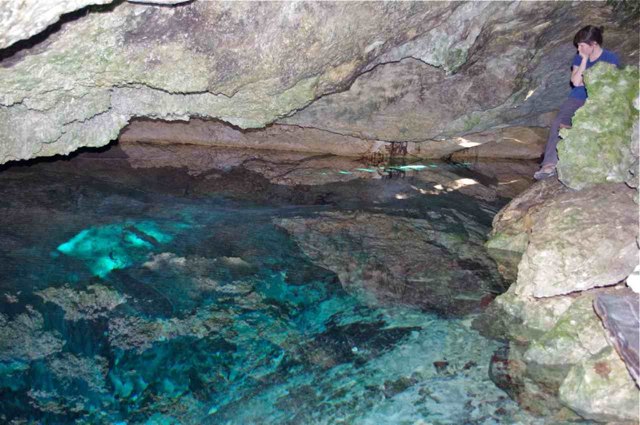
The booming tourist industry along Mexico’s Caribbean coast, particularly in the area of Cancún and the “Riviera Maya,” is polluting the world’s largest underwater cave system and harming the world’s second largest coral reef, a new study has found.

Pharmaceuticals, cocaine residues, shampoo, toothpaste, pesticides, chemical run-off from roads and many other pollutants have been found in the immense system of underground rivers and aquifers south of the resort city of Cancún, located on the Caribbean coast of Quintana Roo state.

“There is little question the pollutants we detected have come from human activity along the coastal region,” said Chris Metcalfe, a researcher with the United Nations University’s Institute for Water, Environment and Health.

The British journal “Environmental Pollution” published a study by the Institute this month, titled ” Contaminants in the coastal karst aquifer system along the Caribbean coast of the Yucatan Peninsula.”

Metcalf told Tierramérica that pit latrines, septic tanks, leaking sewer lines and golf courses were the most likely sources of groundwater pollution.

The flow of groundwater takes much of this pollution into the coastal zone and the region’s famous Mesoamerican Barrier reef, the second largest in the world, after the Great Barrier Reef off Australia.

This independent environmental journalism depends on public support. Click here learn more.

Land-based pollution is just one of the impacts on the coastal reefs, Metcalf said. Overfishing, coral diseases, and climate change have also contributed to an estimated loss of up to 50 percent of coral since 1990.

Without serious attention to preventing groundwater contamination, tourist development will kill the goose that laid the golden egg,” Metcalf said.
Continue reading

Bounce the Bottle – Back to the Tap: The Campus Ban On Bottled Water

“Queen’s University became the tenth Canadian post-secondary institute to commit to end the sale and distribution of bottled water on campus, sending the industry a clear message that campuses are backing the tap,” says Water Access Group Member Professor Steven Moore.

Students, staff and faculty are … asking college and university administrations to instead promote investment in accessible public water infrastructure, says press release.

For more visit Inside the Bottle – has great video: “The Story of Bottled Water” – Stephen

My previous post explains why getting rid of plastic water bottles are important for our health and environment (and water tastes much better in steel or glass).

The New Campus Cool: Water Fountains for Drinking – Uni bans bottled water

Final Update: COP 16 Cancun Climate Conference

19 Dec 2010

On reflection there was some progress at COP 16. Small island states, whose very existence is threatened, were satisfied the world is on its way to a significant climate treaty so that is something. Last year in Copenhagen, hardly anyone happy with the outcome. There is still a long and difficult road ahead. Not least because there remains a powerful and well-funded opposition to emission reductions in many countries.

In 2011 I hope to uncover more about that opposition while continuing to write about how the physical processes of climate change are not waiting for us to get our act together. Substantial changes are already underway. Changes to the global water cycle have been shown in the first global study of evapotranspiration rates as detailed in my article: “Climate Changes Herald a Future of Widespread Drought – Water Left High and Dry in Climate Talks”

The article also looks at some fairly dire drought projections for the coming decades.

For those experiencing a rough, early winter, I did the first article revealing how the melting Arctic may be bringing earlier and harsher winters to the UK, parts of Europe and North America. That story happened because of donations to help cover my costs of attending a polar science conference in Oslo were those new findings were presented. Science journalism isn’t easy or cheap to do. I was one of  few journalists in Oslo because hardly any media outlet covers travel costs any more – never mind paying a decent fee for a story. That’s why I am trying Community Supported Journalism where people support my efforts to inform people about the great issues of our time.

A warm thank you to those who sponsored some of the Cancun articles, contributing some much needed cash to help cover my costs.  Supporters names are prominently listed in the articles here. I can no longer continue to do environmental and science journalism without your help so thank you for helping out.

— Stephen

Just click the button to go to the PayPal Secure Donation* page & enter your sponsorship amount (fully secure, major Credit Cards accepted)

Your one-time or monthly contributions are vital for Community Supported Environmental Journalism (click for more info)

*More than 100,000 non-profits safely use PayPal Donate service

100 Million Suffering in World’s Toxic Hotspots – 1% of Wall Street Bonuses Would End This In a Year

Millions of kids are condemned to die or suffer severe brain damage because there is no money to clean up toxic sites and neighborhoods. One or two billion dollars would solve the problem permanently but health advocates have to beg and plead to get maybe $20-$30 million. Wall Street’s 2010 bonus and salaries are estimated to total a record-breaking $144 billion for just 36 firms according to Wall Street Journal.

Don’t you think they could donate 1 per cent of their ‘earnings’? — Stephen

By Stephen Leahy

UXBRIDGE, Canada, Nov 11, 2010 (IPS)

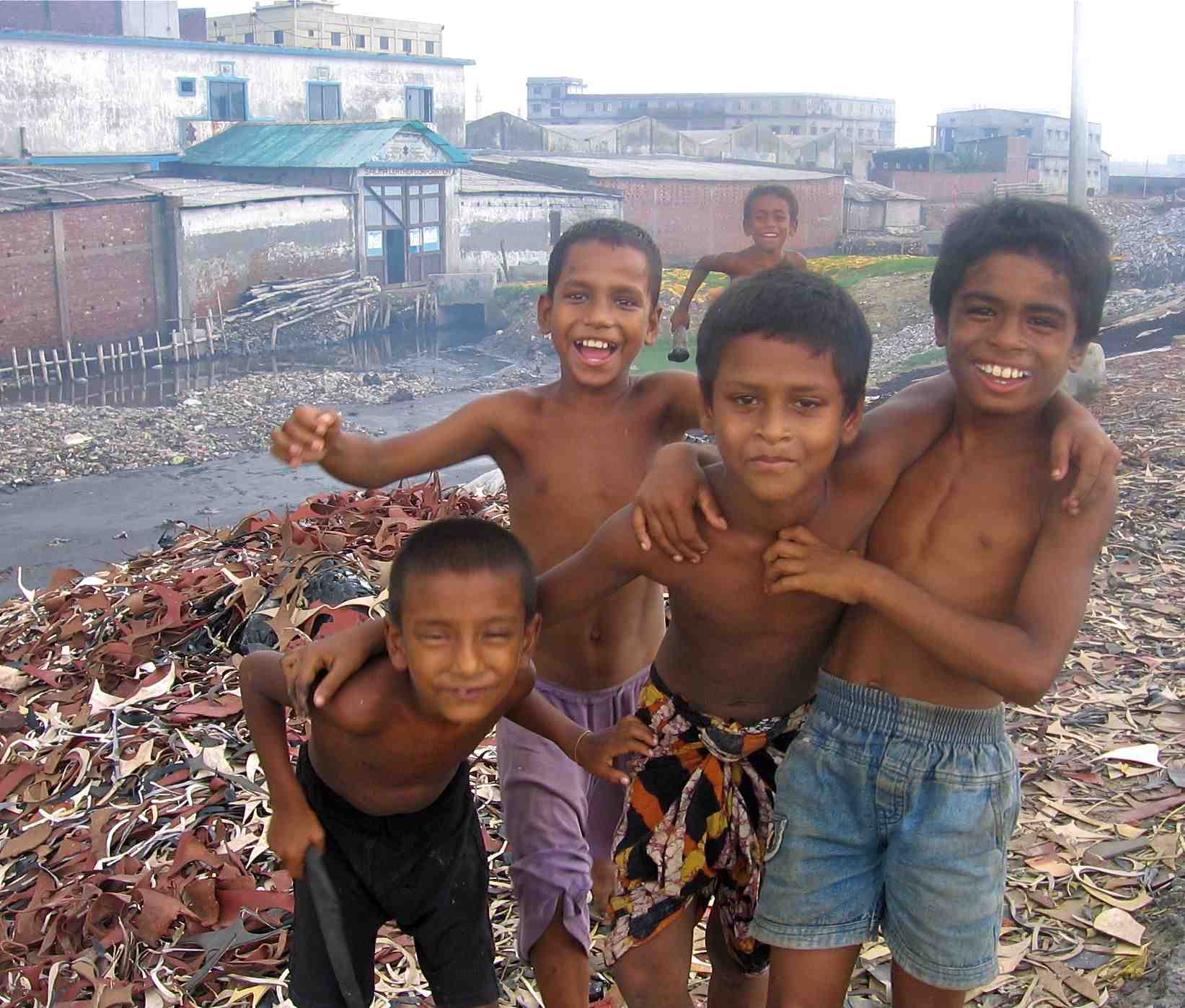
One of the world’s biggest health threats is also one of the least recognised – more than 100 million people who literally breathe and eat toxic pollutants like lead, mercury, chromium every day, according to the first-ever detailed assessment.

By contrast, global attention and billions of dollars are focused on AIDS, tuberculosis and malaria, which affect comparable numbers of people.

“Toxic pollution has been under the radar screen of most governments for some time,” said Stephan Robinson of Green Cross Switzerland, a group focused on environmental health, and co-author of the assessment titled “World’s Worst Pollution Problems Report 2010”.

“These pollution problems can be dealt with affordably and effectively,” Robinson told IPS.

Past clean-up projects designed by the groups range from the very low-tech, low-cost to more technical engineering projects involving soil removal at playgrounds and groundwater remediation, he said. Continue reading

Geoengineering on a Desperate Planet — UN Declares Global Moratorium

By Stephen Leahy

NAGOYA, Japan, Oct 25, 2010 (Tierramérica)

[Update 30 October 2 am. Global moratorium passes.]

Delegates to the world summit on biodiversity here are calling for a moratorium on climate engineering research, like the idea of putting huge mirrors in outer space to reflect some of the sun’s heating rays away from the planet.

Climate engineering or geoengineering refers to any large-scale, human- made effort to manipulate the planet to adapt to climate change.

Representatives from Africa and Asia expressed concern about the negative impacts of geoengineering during the opening week of the 10th Conference of Parties (COP 10) to the United Nations Convention on Biological Diversity (CBD), Oct. 18-29. They were joined by civil society organisations in calling for a moratorium on geoengineering experiments.

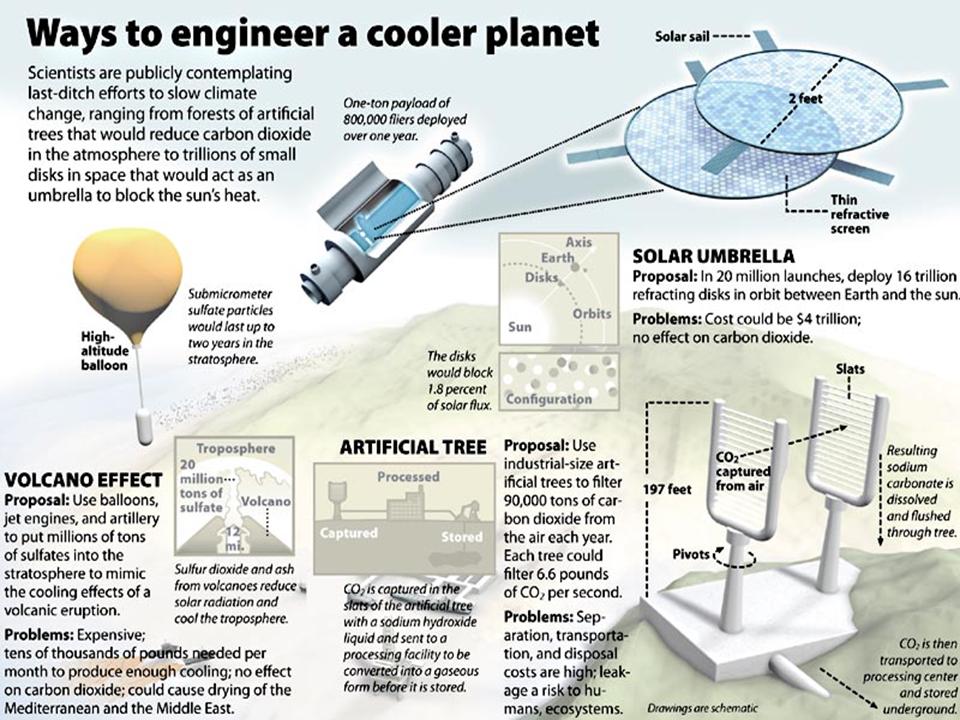
The geoengineering proposals include installing giant vertical pipes in the ocean to bring cold water to the surface, pumping vast amounts of sulphates into the stratosphere to block sunlight, or blowing ocean salt spray into clouds to increase their reflectivity.

The geoengineering proposals include installing giant vertical pipes in the ocean to bring cold water to the surface, pumping vast amounts of sulphates into the stratosphere to block sunlight, or blowing ocean salt spray into clouds to increase their reflectivity.

Broadly speaking, there are two main geoengineering approaches: solar radiation management and carbon sequestration, in other words, absorbing carbon dioxide from the atmosphere to reduce the concentration of this greenhouse-effect gas.

Is this article of interest? It exists thanks to contributions from readers. Please click here to learn more about Community Supported Journalism.

To manage the sun’s rays, there are ideas like releasing sulphates into the atmosphere or placing giant mirrors in outer space. For absorbing carbon, the possible approaches include ocean fertilisation, in which iron or nitrogen is added to seawater to stimulate the growth of phytoplankton to sequester the carbon deep in the ocean.

“Some of the proponents of these technologies think it’s easier to ‘manage the sun’ than get people to take a bus” to reduce carbon in the atmosphere, said Pat Mooney, executive director of the ETC Group, an international environmental organisation headquartered in Canada. [etc “Geopiracy” report]

“Politicians in rich countries see geoengineering as ‘Plan B’ so they don’t have to make the hard choices of reducing emissions causing climate change,” Mooney told Tierramérica.

Continue reading

“Drug War” Policies Need a Stint in Rehab – Makes Societies More Violent Not Safer Studies Show

DEA raid on a medical marijuana dispensary in ...
Image via Wikipedia

Drug Wars Make Societies More Violent Not Safer Studies Show

By Stephen Leahy

UXBRIDGE, Canada, Apr 29, 2010 (IPS)

The war on drugs is a complete failure everywhere, according a comprehensive review of 20 years of scientific literature released at the Harm Reduction 2010 conference in Liverpool, England that wraps up Thursday.

The war on drugs does not work, period,” said Dr. Julio Montaner, president of the International AIDS Society.

“We must take an evidence-based approach to dealing with the drug market, because current strategies are not working and people are paying for ill-considered policies with their lives,” Montaner said in a release.

Is this article of interest? It exists thanks to contributions from readers. Please click here to learn more about Community Supported Journalism.

An examination of all English-language scientific literature dating back more than 20 years reveals that drug law enforcement dramatically escalates drug-market violence. Contrary to conventional wisdom, a startling 82 percent of the studies found the various wars on drugs in countries and internationally simply increase violence. Continue reading

Organic farms have better fungi and that’s a very good thing

Organic cultivation of mixed vegetables in Cap...
Image via Wikipedia

New study from Britain’s Centre for Ecology & Hydrology concludes: Organic agriculture better for fungi that are a key to healthy ecosystems. [press release below]

This is just one of dozens of different studies that demonstrate the benefits of organic over conventional as I’ve previously posted. Despite the benefits to society organic farmers receive little government support or are marginalized in most countries. Wonder why? — Stephen

Organic farming more profitable and better than conventional systems – U of Wisconsin

Organic Agriculture Reduces Climate Change, Poverty and Hunger

Organic Provides 3X More Food Per Acre in Poor Countries – podcast

Overweight? Hungry? Blame “Hollow Food”


Centre for Ecology & Hydrology

Farming practices have a significant impact on the diversity of beneficial microbial fungi known to play important roles in crop productivity, soil recovery and maintenance of healthy ecosystems, according to new research published today (14 September 2010) in the journal Environmental Microbiology. The conclusions could have important implications for the way humans manage the agricultural landscape and tackle food security issues. Continue reading

The New Campus Cool: Water Fountains for Drinking – Uni bans bottled water

Water tastes much better in a steel or ceramic container than plastic. And it is a hell of lot healthier. See my previous posts about various studies about plastic container  –  Plastic Bottles Leach Estrogen – ‘Healthy’ Mineral Water  Contaminated by Plastic and Bring Back Glass – Ban BPA (bisphenol A) Plastic Containers Now

See also: Plastic chemical linked to female aggression

Not to mention Drowning the Oceans in Plastic Trash (Pacific Garbage Patch)

So big green thumbs up to the University of Ottawa and its student federation announcement — Stephen

No More Sales of Bottled Water

Students, faculty, staff and other members of the uOttawa community are encouraged to find alternatives to bottled water, such as filling up cups, glasses and re-usable bottles at the nearest fountain or tap on campus.

Since 2008, the University of Ottawa has invested over $100,000 to revitalize its water fountains. An additional $75,000 will be invested next year.

The improvements include gooseneck fountains for quick and easy filling of re-usable bottles, new fountains near food service outlets, upgrades to existing fountains. The fountains are wheelchair accessible, have increased waster pressure and better refrigeration.

via University of Ottawa marks the end bottled water sales on its campus | News Releases & Announcements | University of Ottawa Media Room.

Food Prices Soar (again) – Governments Starved Ag Research of Funding for Last 20 Years

By Stephen Leahy

[New Article]

MONTPELLIER, France, Apr 14, 2010 (IPS)

How’s this for short-sighted:

A billion people go hungry every day, food prices have climbed 30 to 40 percent, climate change is reducing agricultural production – and for the past two decades, the world has slashed investments in publicly-funded agriculture until it is a pittance in most countries.

“Moral outrage is needed. We must abolish this… It can be done. It must be done,”Ismail Serageldin Website, Egypt and a former World Bank economist, told nearly 700 World Food Prize laureates, ministers, scientists and a few representatives from development and farmer organisations at the first Global Conference on Agricultural Research for Development (GCARD) last month here in southern France.

“This is the launching pad to transform hunger in our time,” Serageldin concluded.

The “rocket” on the launching pad is a major transformation of the 500 million dollars of public funds for international agricultural research carried out by the Consultative Group on International Agricultural Research (CGIAR), an alliance comprising some 8,000 researchers in 100 countries.

For the past year, a global consultation process involving over 2,000 stakeholders from 200 countries has produced a draft plan for reform that promises to meet the needs of the world’s 500 million poor small farmers who feed the two billion poorest people.

Called ambitious and far-reaching by proponents, the “Montpellier Road Map” sets the priorities for “linking science and innovation to the needs of farmers and the rural poor”.

Critics say it resembles little more than a passionate shuffling of the status quo. As the French say like to say: “Plus ça change; plus c’est la même chose” (the more things change, the more they stay the same).
Continue reading

Activists Slam G8 Aid Shell Game in Toronto

“No maple leaf is big enough to hide the shame of Canada’s summit of broken promises” — Oxfam

Canada spent $1.2 billion hosting G8/G20 Summits

By Stephen Leahy

BERLIN, Jun 26, 2010 (IPS)

The G8 bloc of wealthy nations promised five billion dollars Saturday for health and nutrition programmes that benefit women and children in developing countries.

The five-year Muskoka initiative announced at the annual G8 meeting, this year outside of Toronto, is intended to help prevent the deaths of hundreds of thousands of women and babies who currently die during childbirth each year. Nearly eight million children, mostly in Sub-Saharan Africa and South Asia, die before they reach the age of five.

Flavia Bustreo, director of the Geneva-based Partnership for Maternal, Newborn and Child Health, which represents more than 300 global and national organisations, welcomed the world’s richest countries’ focus on maternal and child health, which is a historical first, she said.

However, she told IPS from Geneva, “The glass is half-full when it comes to their financial commitment.”

Oxfam and other NGOs also charge that G8 donor nations have been playing a shell game – making multi-billion-dollar commitments at such meetings but without increasing their overall spending on overseas development aid.

“No maple leaf is big enough to hide the shame of Canada’s summit of broken promises,” said Mark Fried, spokesperson for Oxfam. Continue reading