Japan Nuke Disaster Could Be Worse Than Chernobyl

By Stephen Leahy

UXBRIDGE, Canada, Mar 17, 2011 (IPS)

A global nuclear disaster potentially worse than Chernobyl may be under way in Japan as hundreds of tonnes of highly radioactive spent nuclear fuel are open to the sky, and may be on fire and emitting radioactive particles into the atmosphere.

Many countries have advised their citizens in Japan to leave the country.

“This is uncharted territory. There is a 50-percent chance they could lose all six reactors and their storage pools,” said Jan Beyea, a nuclear physicist with a New Jersey consulting firm called Consulting in the Public Interest.

“I’m surprised the situation hasn’t gotten worse faster… But without a breakthrough it’s only a matter of days before spent fuels will melt down,” said Ed Lyman, a physicist at the Union of Concerned Scientists and an expert on nuclear plant design.

Japan’s Fukushima Daiichi plant was damaged by a powerful earthquake and tsunami on Mar. 11. It has an estimated 1,700 tonnes of used or spent but still dangerous nuclear fuel in storage pools next to its six nuclear reactors, according to Kevin Kamps, a radioactive waste specialist at Beyond Nuclear, a U.S. anti-nuclear environmental group.

The storage pools holding 30 to 35 years worth of spent fuel at reactors No. 3 and No. 4 have lost containment and most if not all of their coolant water. They may be on fire, venting radioactive particles into the atmosphere, Kamps told IPS.

On Thursday, Japanese military helicopters protected by lead shielding managed to dump some seawater on the damaged reactors No. 3 and No. 4 in a desperate and very risky last- ditch effort at the highly radioactive site.

via Japan Nuke Disaster Could Be Worse Than Chernobyl – IPS ipsnews.net.

Fossil Fuel Lobby Following the Playbook of Big Tobacco Confusing the Public on Dangers of Climate Disruption

Fossil Energy Interests Sowing Confusion and Buying Legislative Delay on America’s Biggest Threat: Climate Change says Environmental Economist

Robert Repetto

UXBRIDGE, Canada, Mar 2, 2011 (IPS)

Powerful fossil energy interests are preventing the United States from making the necessary transition to 21st century energy sources, one of the country’s leading environmental economists documents in a just-published book.

Fossil energy interests are spending “hundreds of millions of dollars” lobbying U.S. politicians in Congress and funding groups to confuse the public about the serious risks climate change poses, says Robert Repetto, author of “America’s Climate Problem: The Way Forward” published by Earthscan.

IPS climate and environment correspondent Stephen Leahy spoke with Repetto about his new book.

Q: Why did you write this book?

A: We’re running out of time. The latest science shows that climate change is coming faster and posing greater risks than previously thought. We are at risk of triggering positive feedbacks that will lead to uncontrollable climate change.

This independent environmental journalism depends on public support. Click here learn more.

Meanwhile, America is locked in a climate-policy stalemate, with very few in the public comprehending the real risks climate change poses. Most don’t understand that climate change is happening now. They don’t link extreme weather events we’ve been experiencing with climate change. As a result they are not demanding that politicians take action.

Q: Why don’t most Americans understand the fact that climate change is already underway and poses serious risks?

A: Fossil (oil, coal, natural gas) energy interests are pouring hundreds of millions of dollars into sowing doubt and uncertainty to blunt public concern and to provide political cover to those politicians they are funding. In America, there is a very concerted effort by fossil energy interests that bankroll right-wing and libertarian “think tanks” like the Competitive Enterprise Institute to create an atmosphere of doubt and uncertainty, just like the tobacco companies did regarding the health effects of smoking. Continue reading

Coral Reefs In Dire Peril – 75% May Die In Coming Years

One of the most incredible natural wonders of our world is being decimated by our actions: burning fossil fuel, pollution of land and sea, overfishing. The most recent estimate shows 75% of the world’s coral reefs are threatened according to new report by the World Resources Institute (WRI) and 24 other organizations. The report is “Reefs at Risk Revisited“.

Here’s one thing you can do to help. Follow and encourage others to live by these Three Simple Rules:

1. Reduce.

Reduce fossil fuel consumption everywhere.

2. Eliminate.

Eliminate all non-essential activities and products that involve burning fossil fuel.

3. Demand.

Demand that business and government provide transport, activities and products that minimize fossil fuel use.

Reduce. Eliminate. Demand. R.E.D.

More on the Corals, Ocean Acidification, Bleaching, Overfishing.

I have written more than 15 articles in last few years about the serious threats corals face:

Record Heat Killing Caribbean and Indian Ocean Corals

What if our air was 30% more acidic like the Oceans? May be 120% more acidic by 2060

Coral Reefs and Acid Oceans Series

Reefs and Forests Burn as Climate Disruption Takes Hold NOW

Factory Farms Spawn Climate Disruption and Disease

60 percent of factory farms in poor countries

[This is a re-post from 2007. Meat production in factory farms are major animal health and welfare issues, they also produce more emissions than cars and trucks. Not to mention creating perfect conditions for diseases like bird flu and swine flu and who knows what else. — Stephen]

Cramming 100,000 chickens into a single facility to produce low-cost meat also creates the perfect atmosphere for the spread of disease

By Stephen Leahy

Feb 20 (IPS) 2007

Factory farms are responsible for both the bird flu and emissions of greenhouse gases top those of cars and sport utility vehicles (SUVs), according to a report released Monday.

Sixty percent of global livestock production, including chicken and pig “confined animal feedlot operations” (CAFOs), now occur in the developing world. Unregulated zoning and subsidies that encourage these CAFOs or factory farms are moving closer to major urban areas in China, Bangladesh, India, and many countries in Africa, said the report, “Vital Signs 2007-2008” by the Worldwatch Institute.

Although there is no definitive scientific proof, those farms are very likely where avian or bird flu started and will continue to be responsible for new outbreaks, said the author of the report, Danielle Nierenberg, a Worldwatch research associate. Continue reading

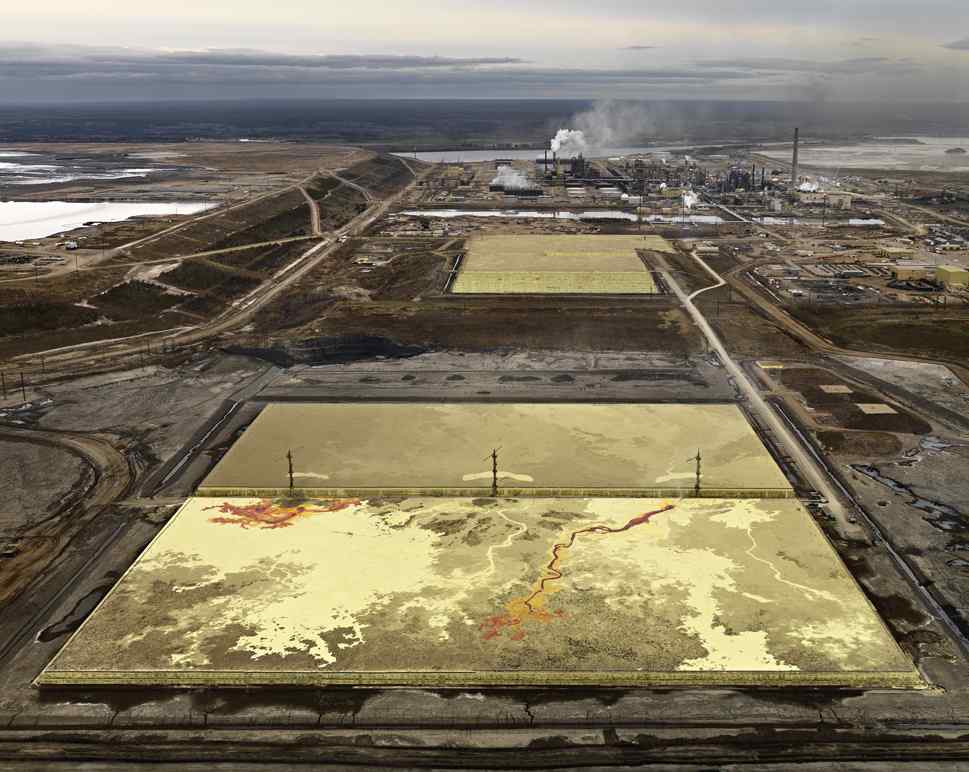
Canada Slashes Charity’s Funding To Protect Giant Tar Sands Project P.S. Oil companies get $2+ billion in subsidies

Please read this eloquent piece from Toronto Star columnist Catherine Porter on how the Harper govt cut funding of Kairos, a renowned church charity for telling the truth about Canada’s tar sands.

How can Canadians in good conscience try to help African women get water when it is carbon emissions from the tar sands are part of the reason they face drought?

And then Harper and his Minister Bev Oda lied and tried to cover up their vindictive actions claiming they want to improve the lives of the poor “efficiently”. (This from a govt giving billions in public subsidies to oil companies)

Here’s the first paras of Porter’s column:

A few years back, the staff at Kairos planned a trip to Nigeria’s oilfields to examine environmental damage, corporate responsibility and human rights abuses.

The board of the faith-based development organization rejected the idea. It sent them to Alberta’s tar sands instead.

“I remember saying, ‘They’ll kill us — that will be considered very political,’ ” recalls Mary Corkery, Kairos’ passionate executive director. “The churches said, ‘This is our work. Our work is inspired by faith to tell the truth. It’s a development issue if it’s far away. It’s a political issue if it’s at home. Or if it offends anyone.’ ”

Think it’s a stretch to compare Canada to Nigeria? A government that forges documents, that makes things up, that smothers dissenting opinions, that accuses the media of lying.

via Porter: Kairos does important work; we should all support it – thestar.com.

About Subsidies:

Every Day Governments Give an Estimated $2 billion to Oil, Coal & Gas Industry

About the Tar Sands:

30 Page e-book:_Oil Stains in the Boreal Forest: The Environmental Cost of Canada’s Tar Sands

Europeans stopped Canada’s Slaughter of Baby Seals – Can They Stop Canada’s Tar Sands?

Canada’s “Mordor” Ensures Climate Treaty Failure in Copenhagen

Tourism Is Poisoning the Mexican Caribbean

By Stephen Leahy*

UXBRIDGE, Canada, Feb 10, 2011 (Tierramérica)

The booming tourist industry along Mexico’s Caribbean coast, particularly in the area of Cancún and the “Riviera Maya,” is polluting the world’s largest underwater cave system and harming the world’s second largest coral reef, a new study has found.

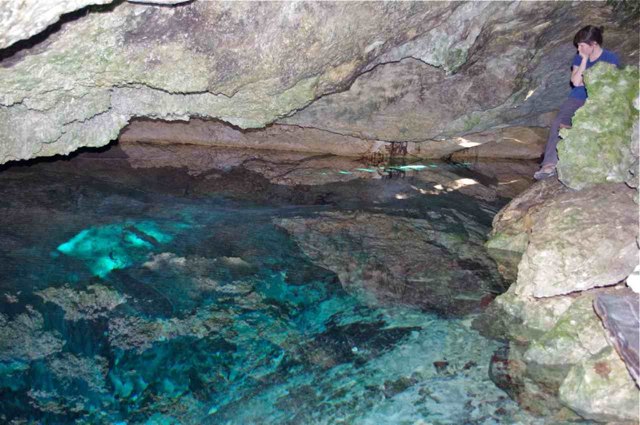
Pharmaceuticals, cocaine residues, shampoo, toothpaste, pesticides, chemical run-off from roads and many other pollutants have been found in the immense system of underground rivers and aquifers south of the resort city of Cancún, located on the Caribbean coast of Quintana Roo state.

“There is little question the pollutants we detected have come from human activity along the coastal region,” said Chris Metcalfe, a researcher with the United Nations University’s Institute for Water, Environment and Health.

The British journal “Environmental Pollution” published a study by the Institute this month, titled ” Contaminants in the coastal karst aquifer system along the Caribbean coast of the Yucatan Peninsula.”

Metcalf told Tierramérica that pit latrines, septic tanks, leaking sewer lines and golf courses were the most likely sources of groundwater pollution.

The flow of groundwater takes much of this pollution into the coastal zone and the region’s famous Mesoamerican Barrier reef, the second largest in the world, after the Great Barrier Reef off Australia.

This independent environmental journalism depends on public support. Click here learn more.

Land-based pollution is just one of the impacts on the coastal reefs, Metcalf said. Overfishing, coral diseases, and climate change have also contributed to an estimated loss of up to 50 percent of coral since 1990.

Without serious attention to preventing groundwater contamination, tourist development will kill the goose that laid the golden egg,” Metcalf said.
Continue reading

Bounce the Bottle – Back to the Tap: The Campus Ban On Bottled Water

“Queen’s University became the tenth Canadian post-secondary institute to commit to end the sale and distribution of bottled water on campus, sending the industry a clear message that campuses are backing the tap,” says Water Access Group Member Professor Steven Moore.

Students, staff and faculty are … asking college and university administrations to instead promote investment in accessible public water infrastructure, says press release.

For more visit Inside the Bottle – has great video: “The Story of Bottled Water” – Stephen

My previous post explains why getting rid of plastic water bottles are important for our health and environment (and water tastes much better in steel or glass).

The New Campus Cool: Water Fountains for Drinking – Uni bans bottled water

Watch This Video Before You Buy Any New Electronic Stuff


Consumption — buying so much stuff — is one things we have to do differently in 21st century. see Rising Wealth Spells Disaster for the Planet, Study Finds

Electronic gadgets, toys, TVs. phones, computers, IPods and so on are made of toxic and sometimes rare materials. There is lack of proper recycling programs as I have documented in several articles below. But there is an absolutely brilliant new video on all this from the Story of Stuff folks. This is best introduction to the real costs and consequences of the fact that most our electronics stuff  are actually “designed for the dump”  — Stephen.

Tsunami of E-Waste Could Swamp Developing Countries

Is Your Old TV Poisoning a Child in China? Where Your e-waste Goes

30 Million Lead-laden TVs Dumped on Poor Countries

Do consider making a small automatic monthly contribution as a fair exchange for these articles.

Dams Come At a Price of Hi-Quality Food — Hard to Put a Price-tag on Healthy Rivers

By Stephen Leahy

NAGOYA, Japan, Oct 22, 2010 (IPS)

Damming a river may bring electric power, but it often comes at the price of high-quality food fisheries, experts say. When dams are proposed for power, flood control or irrigation, the often devastating impacts on fisheries in rivers and lakes are ignored or discounted.

“It is very difficult to put a dollar value on what inland fisheries represent because it is much more than the landed value of the fish at the dock,” says Yumiko Kura of the WorldFish Center office in Phnom Penh, Cambodia.

Kura is co-author of a new report, “Blue Harvest: Inland Fisheries as an Ecosystem Service”, which highlights the wide-ranging importance of inland fisheries in diets, especially among children, and not just in terms of protein but in supplying micronutrients, notably vitamin A, calcium, iron and zinc.

“Detailed studies in Bangladesh for example have shown that daily consumption of small fish contributes 40 percent of the total daily household requirement of vitamin A and 31 percent of calcium,” according the report released Friday at a side event at the 10th Conference of the Parties to the Convention on Biological Diversity.

In addition, it notes there are more than 60 million full- and part-time jobs in fishing and other activities such as processing, with over half these jobs carried out by women.

Is this article of interest? It exists thanks to contributions from readers. Please click here to learn more about Community Supported Journalism. Continue reading

The Future of Journalism: Adopt a Muckraker

I’m pretty damn angry that media companies are putting profits ahead of truth.

The media are deeply broken… That’s a real threat to democracy.”

— Stanford University climate scientist, Stephen Schneider


Renowned Swiss journalist Daniel Wermus and Director of the Media21 Global Journalism Network  discusses my launch of Community Supported Journalism in this article. — Stephen

“Should you and I pay for the kind of accurate news reporting that is needed to fill us in on what is happening to the planet?

If we’re not willing to pick up the tab to stay better informed, who will?”

Frontline Earth: Adopt a Muckraker?

By Daniel Wermus

“I meet international freelance journalists quite often. Most make it clear that budget cuts have made it increasingly difficult for just about anyone, especially freelancers, to get into print. It is usually the freelancers who are most willing to risk their lives to get the stories that need reporting the most. If the day arrives when they can no longer carry out their professions, we will all have a serious problem.

Muckraker: A reporter or writer who investigates and publishes reports involving a host of social issues, broadly including crime and corruption

Stephen Leahy, a Canadian, and one of the world’s best-known investigative reporters on environmental issues, has launched a challenge: if corporations won’t pay for the news, then it is up to communities and the public to fill the gap. A free society needs journalism, even if reporting the news is not commercially profitable.

Leahy’s model for supporting the news has the journalist make his pitch over the internet. The completed article can then be distributed by news agencies or magazines that are low on funds but high on public interest. That could be IPS, Reuters-Alertnet, Commondreams, InfoSud, The Essential Edge or any number of other publications and news outlets.

[edit: Wermus concludes]

Leahy observes that: “Many people tell me, we need individuals like you to get real information out.”

It may be too early to tell whether this really signals a new citizen’s approach to the need for hard information that may be crucial to society. In the best of all worlds it could bring together both consumers and media for promoting a better planet. The danger is that it could also produce yet another quagmire of holier-than-thou preaching.”

Learn more about Community Supported Journalism in the Public Interest

Adopt a Muckraker for only $10 a month

Update: Community Supported Journalism is working. However 50 people helping out has to become 500 so we all can get the crucial information we need.  Please consider becoming one of the 500. Thank you. — Stephen